By Dave Robbins
Traduzione in italiano a cura di Patrizia Burlini
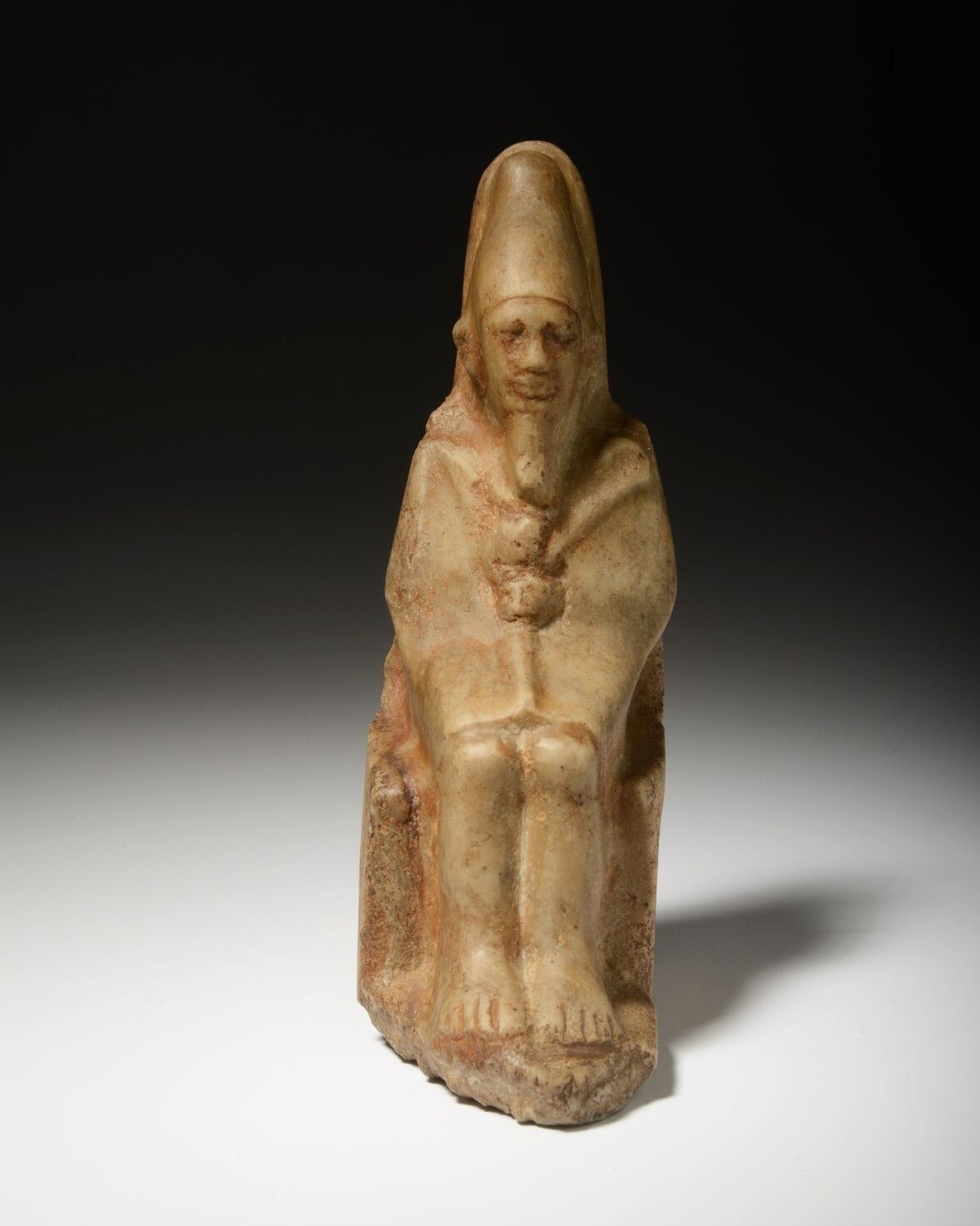
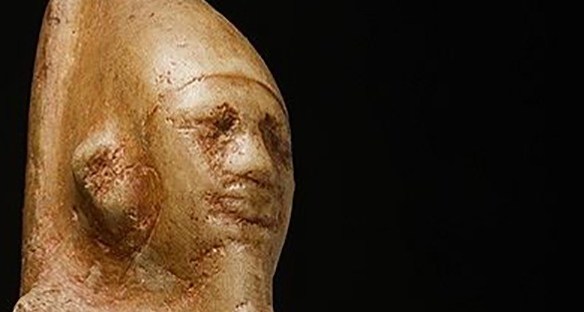
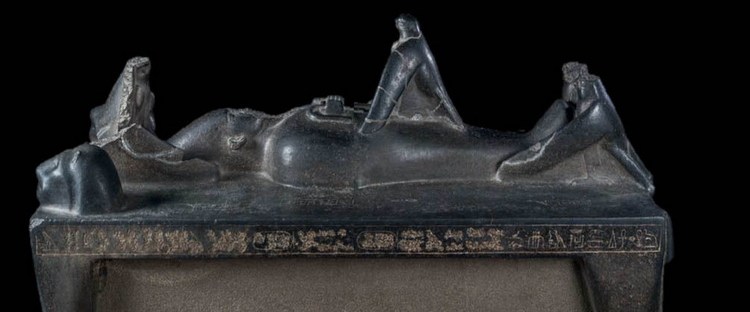
Wearing such ceremonial robes, the third king of Dynasty 2 would have been celebrating his ‘heb sed’ or Sed Festival. Typically held in the 30th year of a king’s reign and then every third year thereafter, the ‘heb sed’ is known to have been the opportunity for a king to show himself fit to reign. Suppose he became king at age 25, that would make him 55 in his regnal year 30.
il terzo re della II Dinastia avrebbe celebrato il suo “heb sed” o Festival Sed, indossando questi abiti cerimoniali. Abitualmente tenuta nel 30° anno di regno di un re e successivamente ogni tre anni, la “heb sed” è nota per essere stata l’occasione per un re di dimostrarsi idoneo a regnare. Supponiamo che fosse divenuto re all’età di 25 anni, ciò significa che avrebbe avuto 55 anni nel suo 30° anno di regno.
While almost always given a youthful representation on a statue, this being the earliest-known pharaonic statue of a named king, it seems likely that the standard had not yet been instituted as King Ninetjer appears to be at least in his sixties in this statue. Pretty sure that no one would call it a youthful appearance.
Sebbene le statue [dei faraoni, n.d.T] mostrino quasi sempre una rappresentazione giovanile del sovrano, essendo questa la prima statua faraonica conosciuta di un re con il nome, sembra probabile che lo standard non fosse ancora stato istituito, dato che il re Ninetjer sembra avere almeno sessant’anni in questa statua. Nessuno lo definirebbe un aspetto giovanile.
Heb sed is probably most frequently spelled: 𓎳 𓋴𓂧 𓈅 𓉳 with the jubilee pavilion (𓎳 ) being ‘heb sed’ while the folded cloth (𓋴) and the hand (𓂧 ) are used to just re-emphasize ‘sed.’ And if that wasn’t enough, the second jubilee pavilion (𓉳 ) is intended to make sure the term is burned into your soul. 
Heb sed è probabilmente scritto più frequentemente: 𓎳 𓋴𓂧 𓈅 𓉳 con il baldacchino del giubileo (𓎳 ) che è “heb sed” mentre la stoffa piegata (𓋴) e la mano (𓂧 ) sono usati per sottolineare nuovamente “sed”. E se non bastasse, il secondo baldacchino del giubileo (𓉳 ) ha lo scopo di assicurarsi che il termine sia impresso a fuoco nell’anima.
Lacking many artifacts for the first king of Dynasty 2, you may remember the statue which I mentioned in connection with Hetep-sekhem-wy … that being Hetepdief. It’s likely that both the earliest-known named pharaoh and the earliest-known named non-royal were both sculpted during Ninetjer’s reign since, of course, Ninetjer’s name: (𓊹𓈖 ) appears on the shoulder of Hetepdief.
Mancando molti manufatti per il primo re della II Dinastia, forse ricorderete la statua che ho menzionato in relazione a Hetep-sekhem-wy… ovvero Hetepdief. È probabile che entrambi, sia il primo faraone di cui si conosca il nome, sia il primo non reale di cui si conosca il nome, siano stati scolpiti durante il regno di Ninetjer, dato che, ovviamente, il nome di Ninetjer: (𓊹𓈖 ) compare sulla spalla di Hetepdief.
Discovered at his tomb in 1937 by Selim Hassan, the statue was purchased by RMO Leiden in 2014 and now resides in that museum. No accession number nor photographer was given by the museum’s website but the license is Creative Commons.
Scoperta nella tomba del faraone nel 1937 da Selim Hassan, la statua è stata acquistata dal RMO di Leida nel 2014 e ora si trova in quel museo. Il sito web del museo non riporta né il numero di accesso, né il fotografo, ma la licenza è Creative Commons.
There is at least one other statue I have not mentioned that is earlier than both of these statues and it resides in the British Museum. However, that wooden sculpture has no definite associated name.
Esiste almeno un’altra statua, che non ho menzionato, che è precedente a queste due statue e che si trova al British Museum. Tuttavia, questa scultura lignea non ha un nome preciso associato.
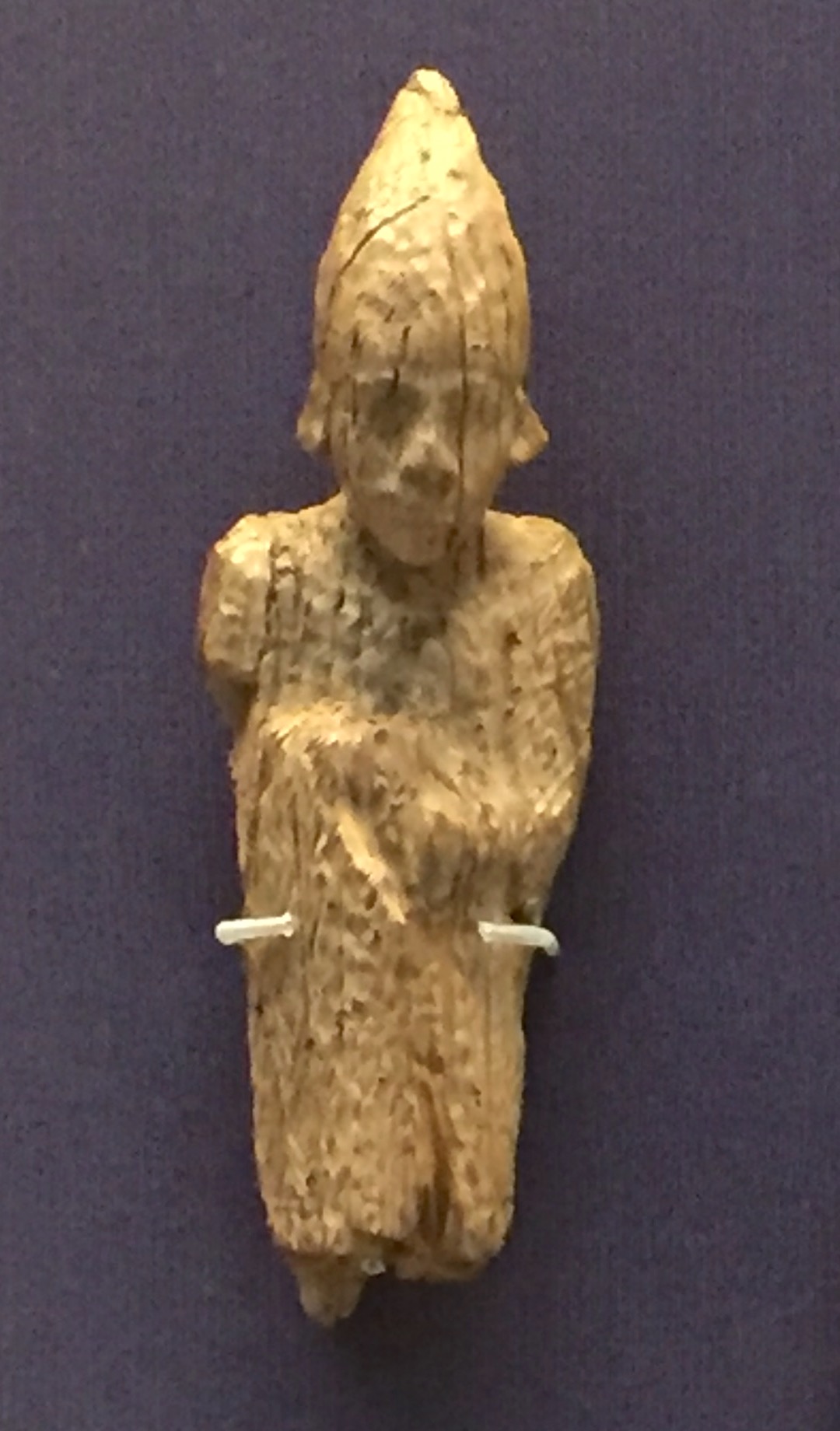
This is the statuette in the British Museum of the earliest-known unnamed king. It is often thought to be King Den but apparently no satisfactory evidence exists that it is indeed Den. The British Museum, however, displays it immediately adjacent to the Ebony Label of Den.
Questa è la statuetta del British Museum del più antico re senza nome che si conosca. Spesso si pensa che si tratti di Re Den, ma a quanto pare non esistono prove soddisfacenti che si tratti proprio di Den. Il British Museum, tuttavia, la espone immediatamente accanto alla placca in ebano di Den.


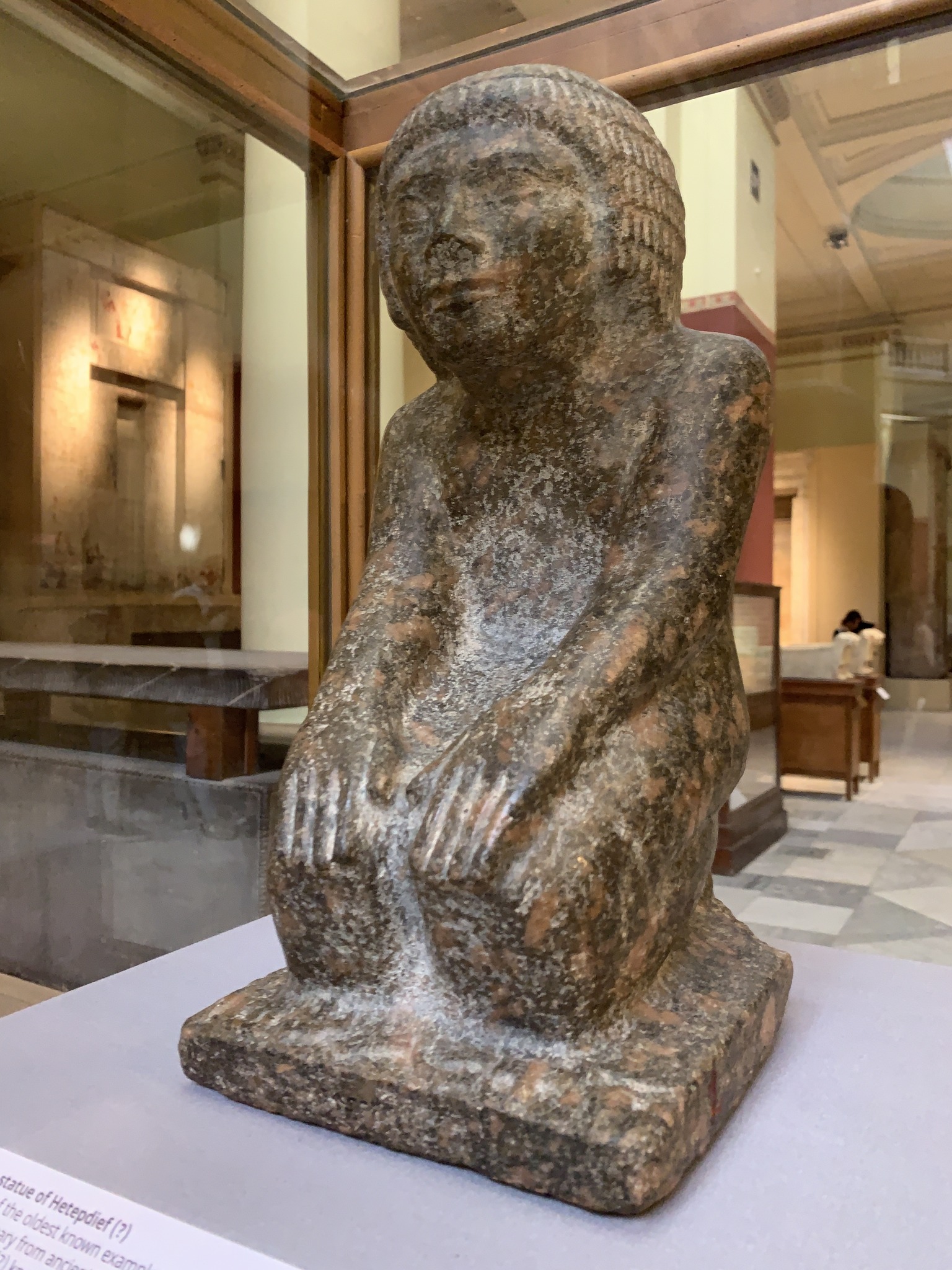
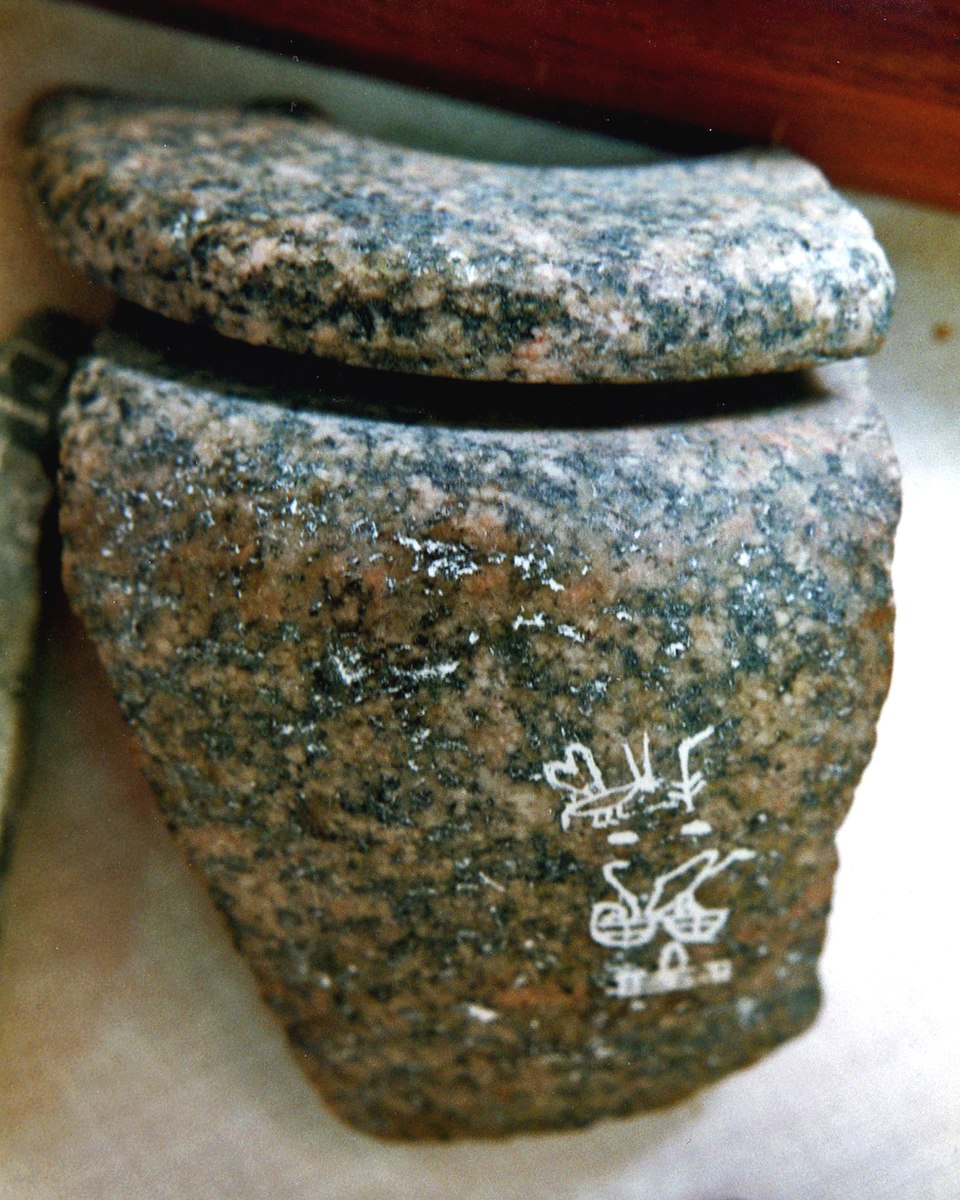
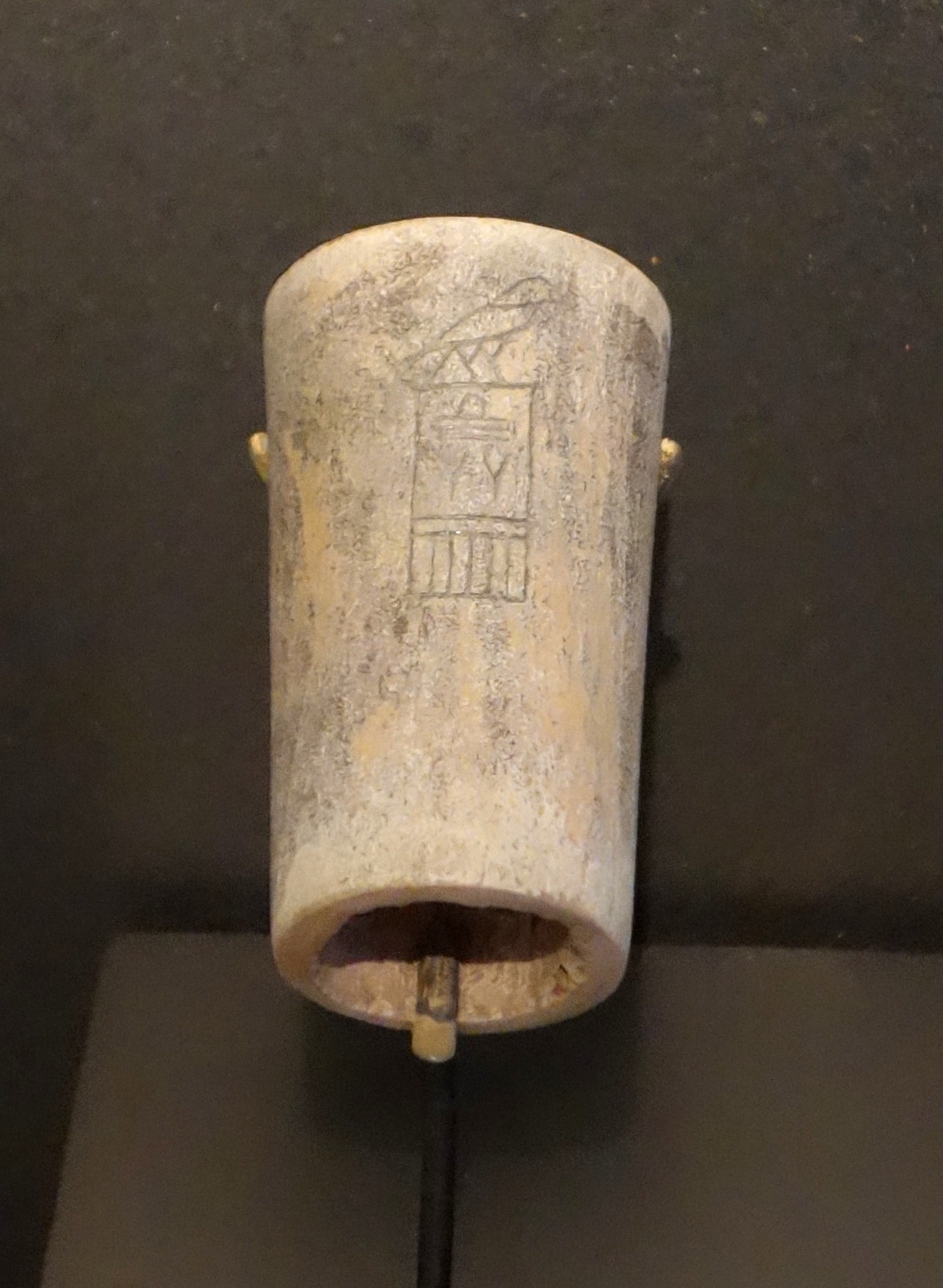

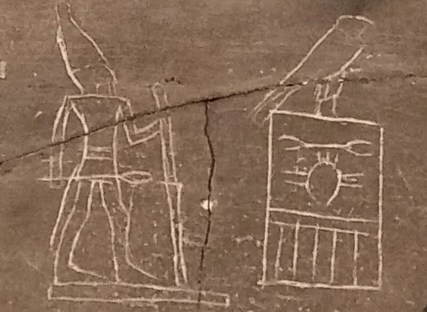

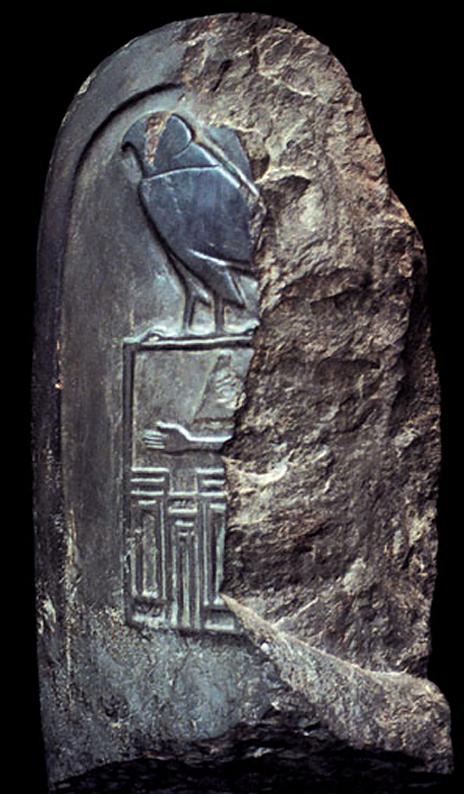
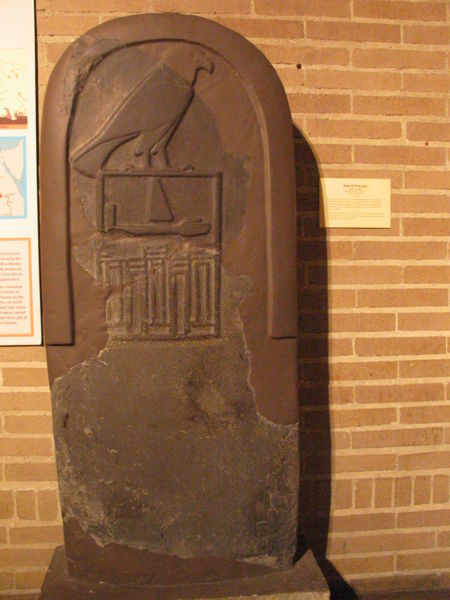


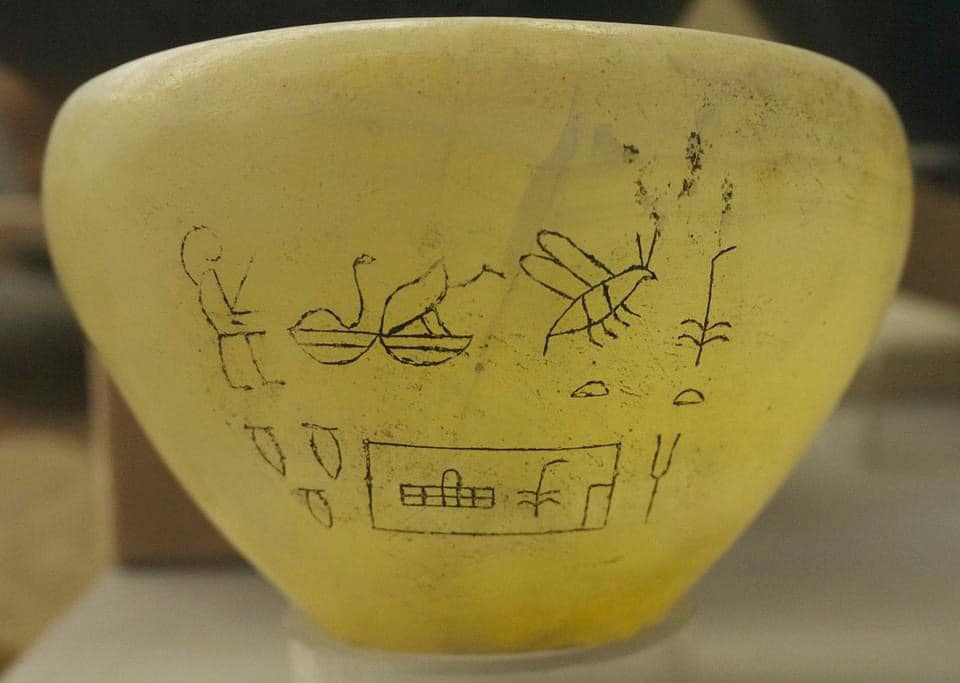
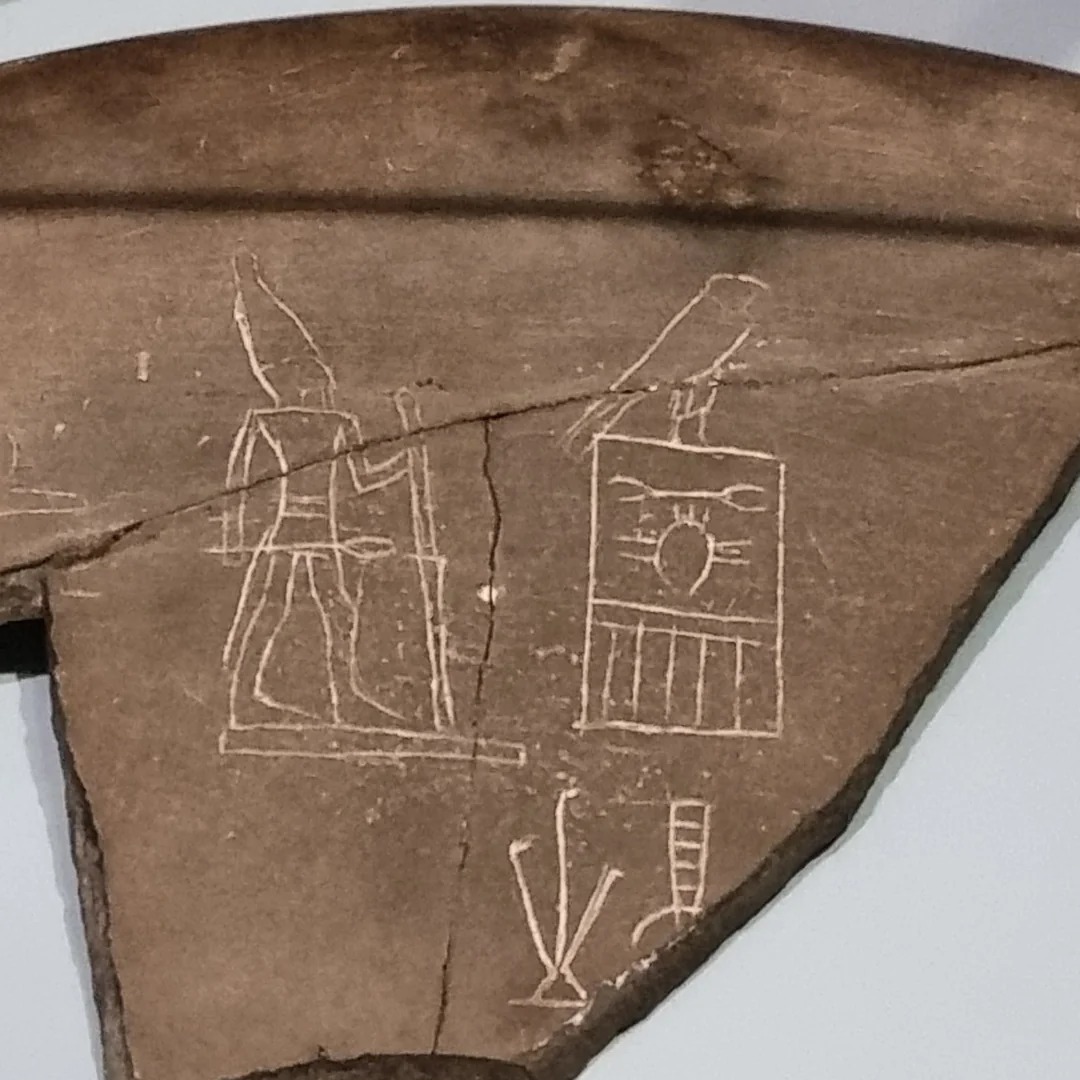
 as Merbiap is translated as “Beloved one of the iron throne.”

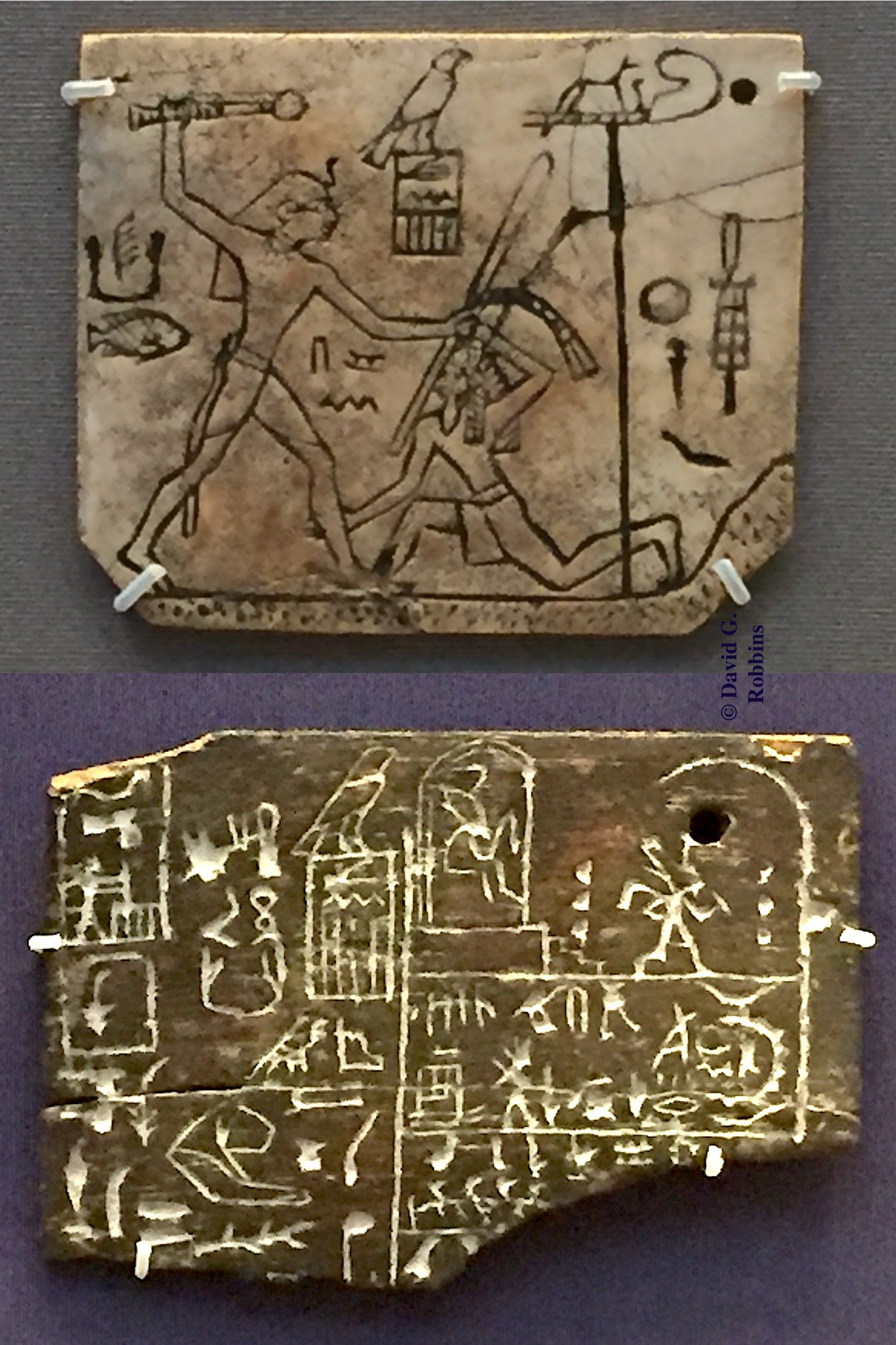


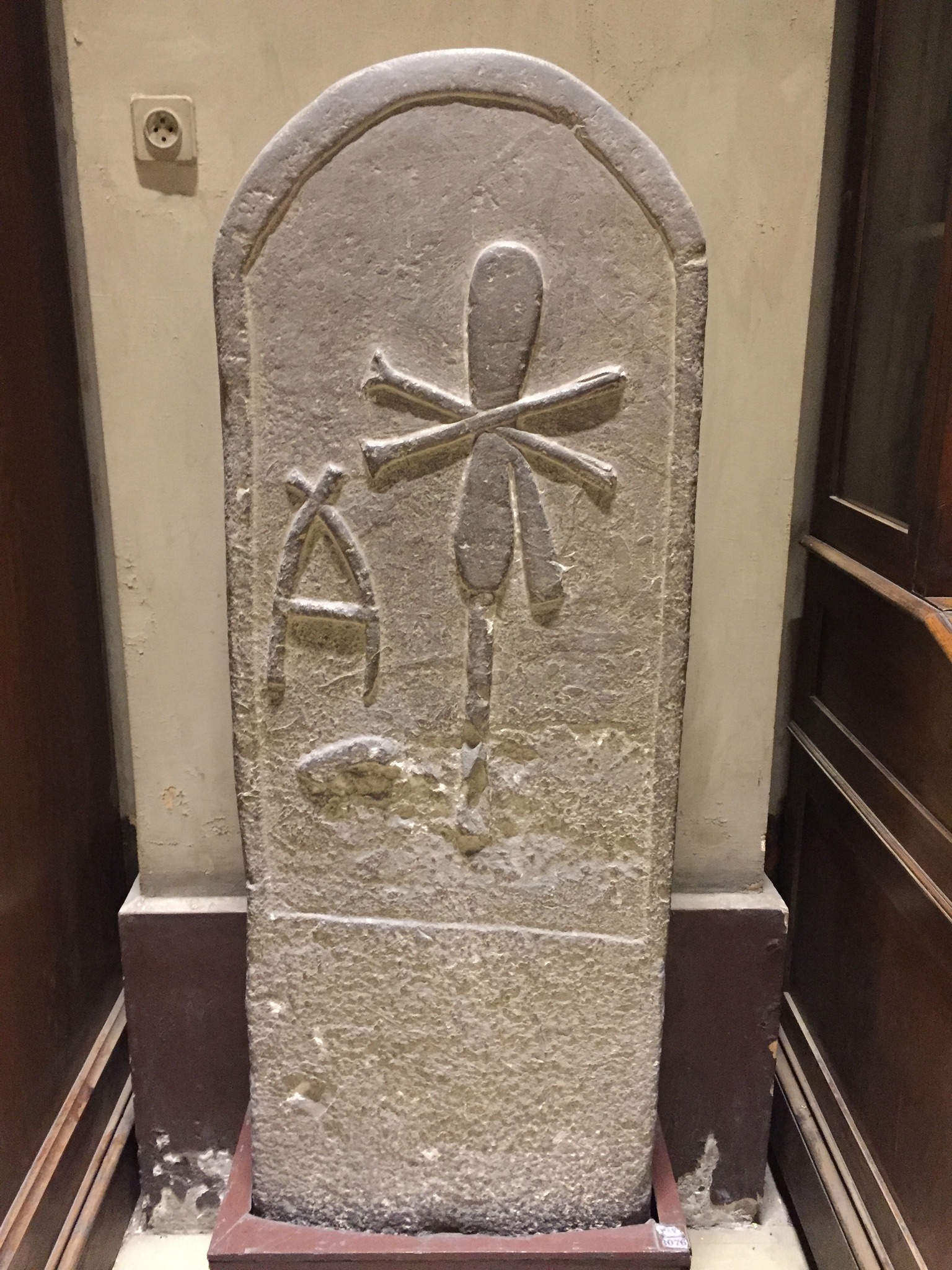

 According to Josef Wegner, his serekh name (meaning “Defender of Horus”) is pronounced “JAIR” as in chair, and his name is spelled as 𓇦 (M37 among Gardiner numbers). On the Abydos Kinglist in the Temple of Sety I, his name appears as his throne name or 𓇋 𓏏 𓍘 (Iteti). He is thought to be the son to Hor-Aha and Hor-Aha’s other wife named Khenthap. When his tomb was found, his mummified arm was found with four bracelets around his wrist (of which I will post a photo of in the comments along with a photo of his tomb … now back-filled).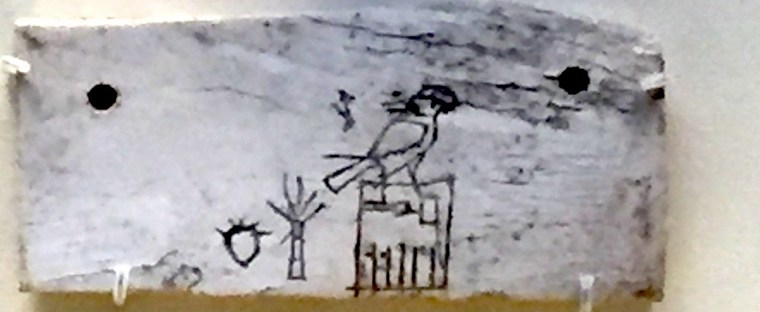

 LA CIVILTA' EGIZIA