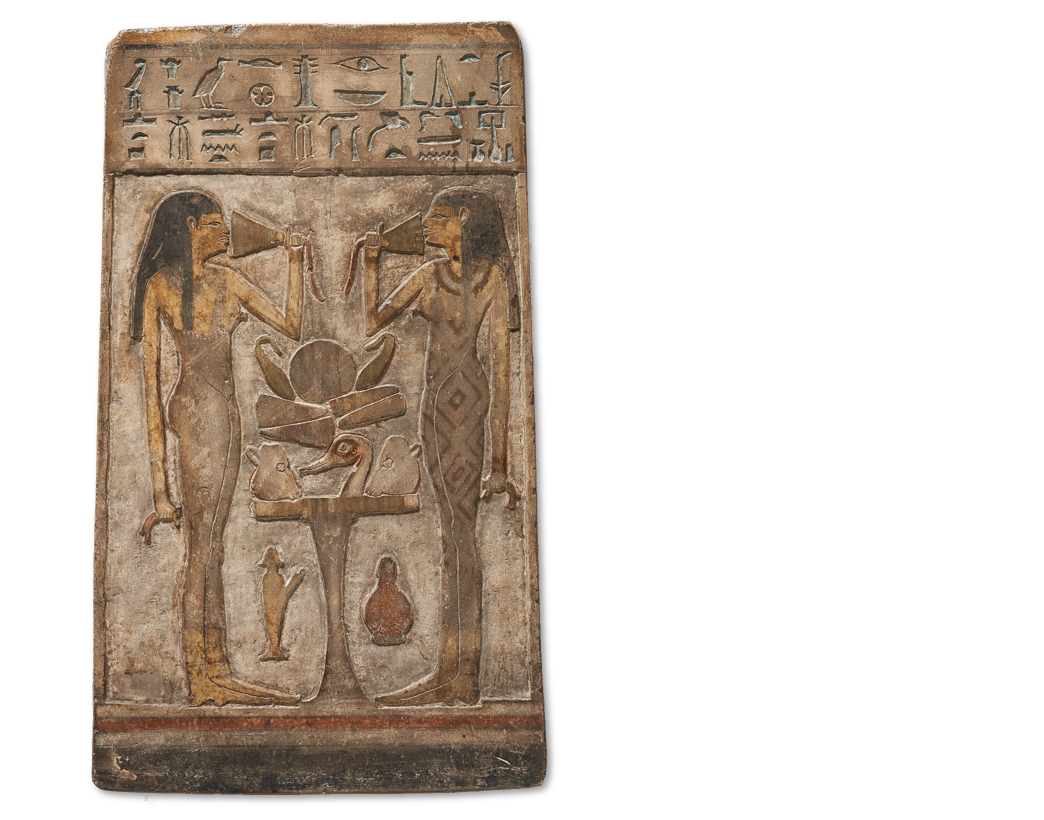
Questa stele (già descritta QUI) è conservata al Kunsthistorisches Museum (Museo di Storia dell’Arte) di Vienna con il numero d’inventario 95. E’ stata datata al Medio Regno, tra la fine dell’XI dinastia e l’inizio della XII.
Poiché l’immagine è molto chiara mi permetto di farne il commento filologico. Le due donne raffigurate sono dichiarate sorelle, forse a causa del nome della seconda donna, Senet, il cui antroponimo potrebbe appunto essere l’abbreviazione di tȜ-snty [ta-seneti] “Le Due Sorelle” con riferimento a due dee, usualmente Iside e Nefti.
Entrambe le donne indossano il classico lungo abito attillato egizio con le bretelline che lasciano il seno scoperto. Senet ha l’abito decorato a rombi, abbastanza inusuale.
Le due donne hanno in una mano un tessuto (spesso indicato come un fazzoletto (?) che indica il loro elevato stato sociale, mentre con l’altra mano odorano un fiore. Nella didascalia è indicato come LOTO, ma è un errore di traduzione dall’inglese della prima Egittologia. Per gli Inglesi tutti i fiori che galleggiano sono LOTO perchè lo derivano dalla loro esperienza coloniale. Il fiore di loto è appunto orientale, non è autoctono africano. Il loto in Egitto lo porteranno i Persiani giusto un millennio e mezzo dopo. Le due donne stanno odorando delle NINFEE.
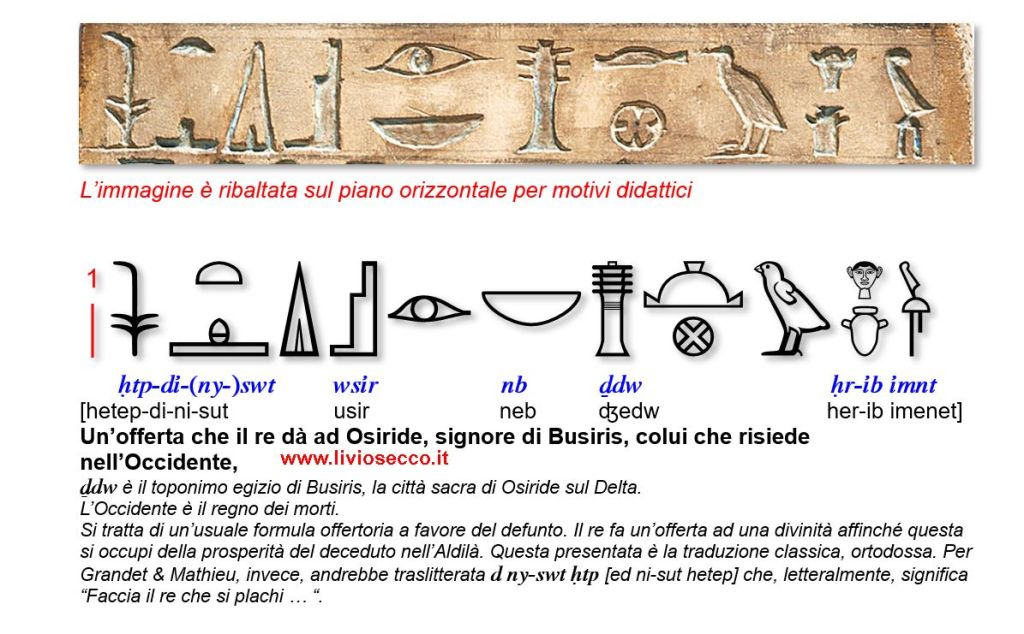
Ho ribaltato le immagini per poter meglio seguire il lavoro filologico che, come di consueto, ho corredato con la codifica IPA per far leggere i geroglifici a chi non li ha (ancora) studiati.
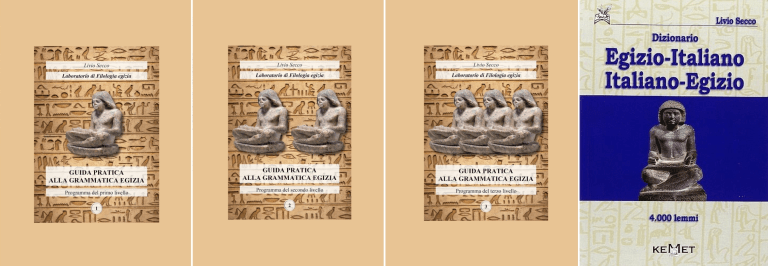
Chi volesse provare a cimentarsi in questa stupenda esperienza intellettuale può trovare qui uno strumentario completo:
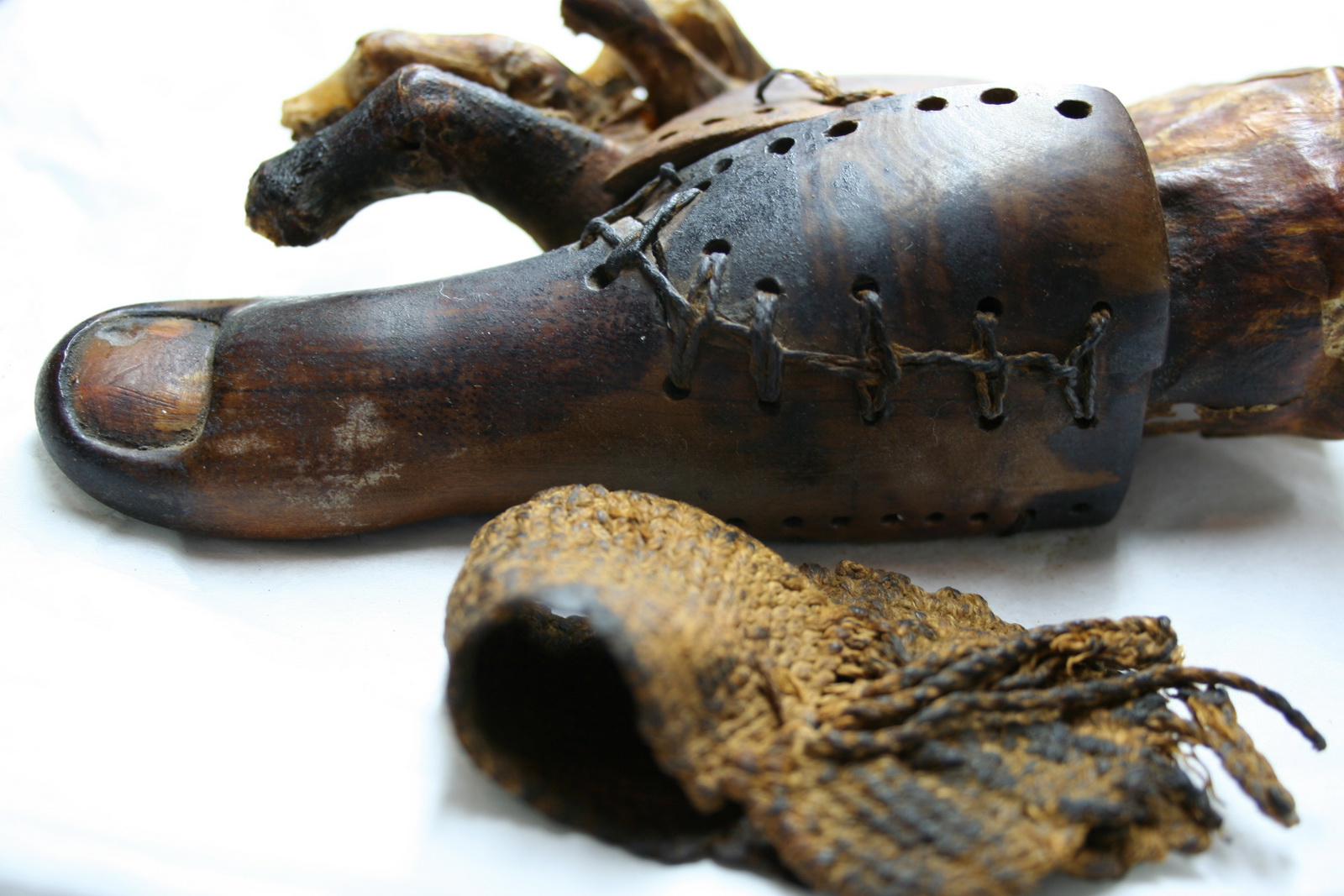
La protesi dell’alluce di Tabaketenmut, foto Univ. di Manchester
Verso la fine del secolo scorso, gli scavi dell’Istituto Tedesco di Archeologia del Cairo nella necropoli di Tebe Ovest (le cosiddette “tombe dei nobili) hanno portato alla luce un reperto straordinario. In una camera laterale aggiunta al termine di un pozzo della tomba TT95, originariamente scavata per Mery (Primo Profeta di Amon sotto Amenhotep II) sono stati ritrovati i resti di diversi corpi. Dal materiale funerario sopravvissuto ai predoni, è stato possibile datare la camera al III Periodo Intermedio, probabilmente durante la XXI Dinastia (per intenderci, quella di Psusennes I e della sua splendida maschera d’oro).
L’interno della tomba dove è stato ritrovata la mummia di Tabaketenmut. Foto Univ. di Basilea
Tra i corpi ritrovati, il più importante per la nostra rubrica apparteneva a Tabaketenmut, forse la figlia di un sacerdote; una donna morta all’età di circa 55 anni, alta 1,69 m e purtroppo devastata dai tombaroli. Il corpo era infatti spezzato in più parti, il cranio diviso dal torso e gli arti staccati. Entrambe le mani e la coscia sinistra sono andate perse per sempre.
Quel che rimane di Tabaketenmut, la “mummia con la protesi”, dopo la ricostruzione. Non sono state ritrovate le mani (probabilmente asportate per gli anelli) e la coscia sinistra.
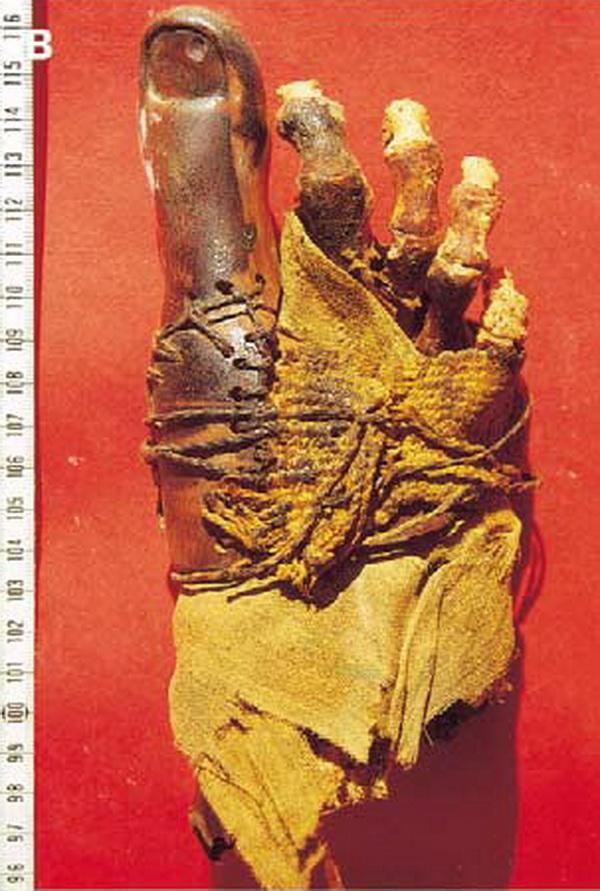
All’esame paleopatologico, una grande sorpresa: l’alluce del piede destro era stato amputato in vita: il moncherino presentava infatti uno strato di tessuto molle, compresa la pelle. Non solo: sul piede è stato anche ritrovata anche la protesi che aveva sostituito l’alluce durante la vita di questa ignota signora. È la protesi ortopedica più vecchia di cui si abbia conoscenza, datata intorno al X secolo BCE.
La protesi come è stata ritrovata sul piede della mummia
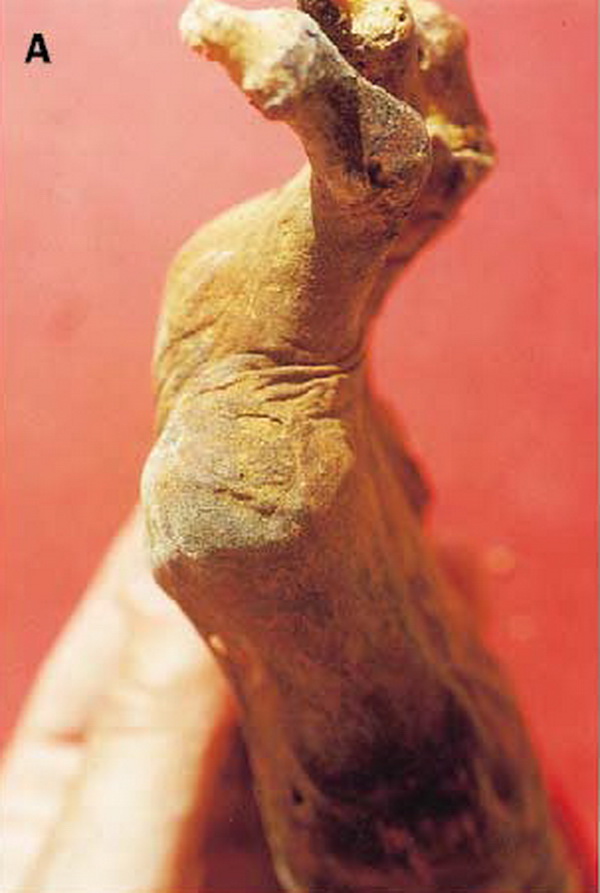
Il moncherino è netto, con evidenza di perfetta guarigione
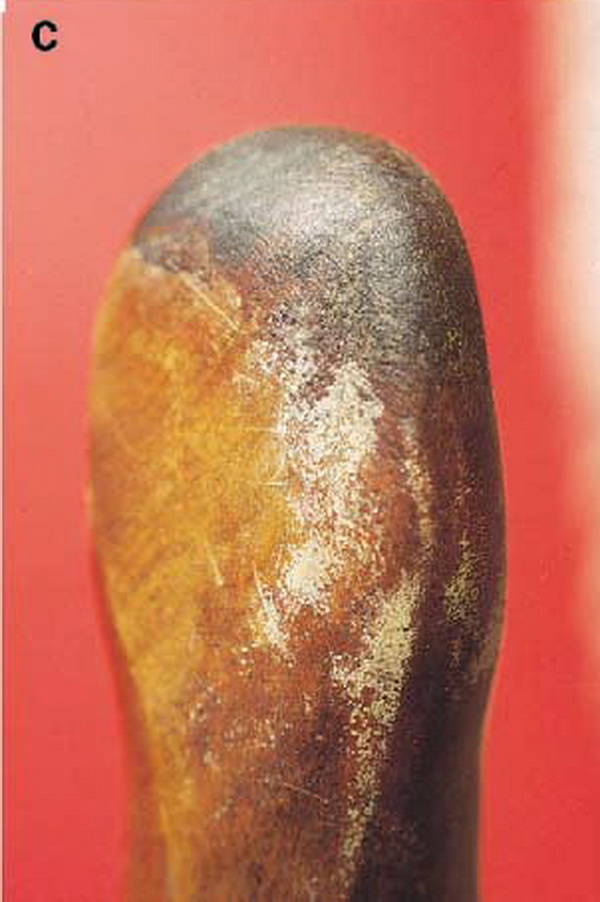
La protesi è formata dal “dito” vero e proprio, in legno colorato e lungo 12 cm, e due piastre in legno di 4 cm ciascuna, collegate al dito da sette lacci in cuoio per permetterne una sorta di articolazione. Il dito è perfettamente modellato, compresa una riproduzione dell’unghia sulla parte superiore. Il gruppo protesi/piastre era poi legato con del tessuto di lino al resto del piede per fissarlo strettamente in posizione. Questa pratica soluzione consentiva di camminare senza eccessivi problemi. I segni di usura sotto l’alluce prostetico ci rivelano che la protesi è stata usata per molto tempo.
Il lato inferiore della protesi è chiaramente consumato dall’uso, un indizio che la protesi sia stata effettivamente utilizzata in vita e molto a lungo
Ma cosa ha causato l’amputazione dell’alluce?
Le radiografie hanno mostrato una demineralizzazione del metatarso corrispondente all’alluce amputato, non imputabile ad osteoporosi. Inoltre, una TAC effettuata alle gambe della mummia ha rivelato delle calcificazioni delle arterie, come anche su un tratto di aorta ritrovato intatto (macro- e microangiopatia). L’amputazione, inoltre, è netta, quindi la natura traumatica dell’amputazione è molto improbabile – anche se non abbiamo la certezza assoluta che sia stata un’amputazione chirurgica.
La radiografia con segni di demineralizzazione del metatarso corrispondente all’alluce amputato
Il quadro clinico che si può intuire da questi esami suggerisce quindi un’angiopatia centrale e periferica, probabilmente derivante dal diabete (“piede diabetico”), che abbia portato all’ischemia gangrenosa dell’alluce ed alla sua amputazione chirurgica.
Una soluzione molto brillante – nonché efficace – ed una esecuzione perfetta, anche nella protesi.
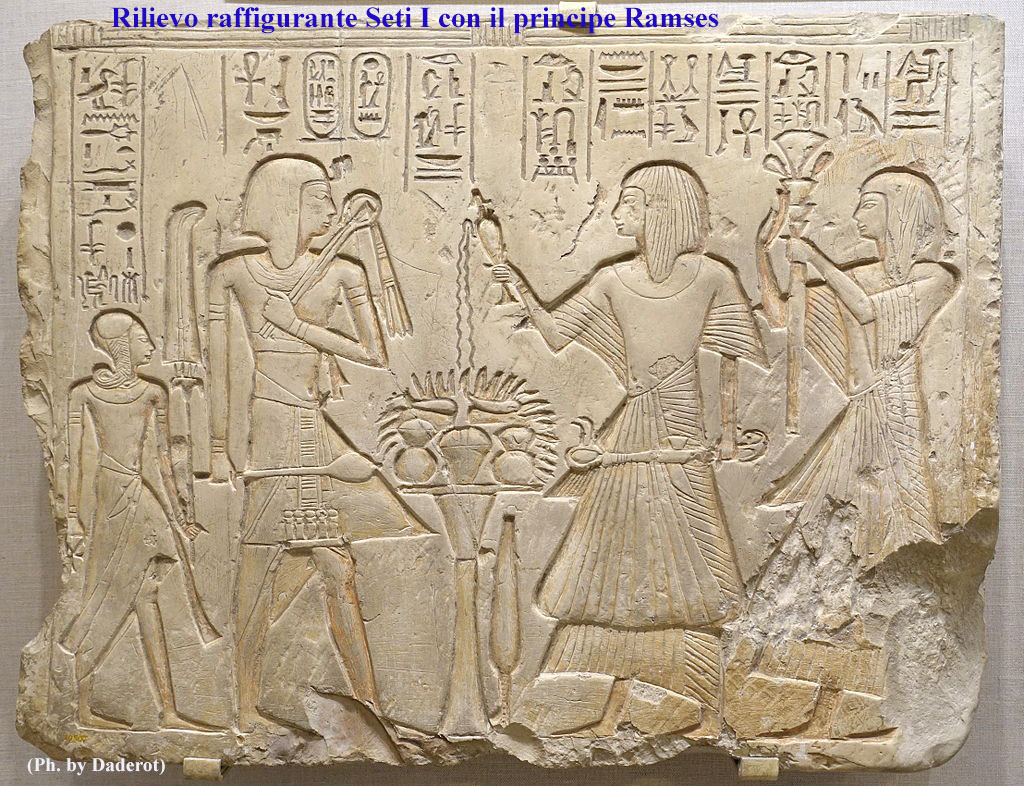
Abbiamo accennato al fatto che forse Ramses II divenne coreggente per volere del padre Seti I e la cosa durò otto anni, a supporto di questa tesi ci sarebbero numerose iscrizioni che compaiono su vari templi.
Secondo l’egittologo canadese Peter J. Brand, autore di un’importante monografia su Ramses II, i rilievi in cui Seti I compare col figlio nei templi di Karnak, Gurna e Abydos, non costituirebbero prove in grado di suffragare la coreggenza in quanto a realizzarli sarebbe stato lo stesso Ramses II dopo la morte del padre.
Le opinioni pro o contro la coreggenza si intrecciano e si contraddicono a vicenda, l’egittologo statunitense William Murnane, che in un primo momento appoggiava l’ipotesi della coreggenza, in seguitò si corresse affermando che Ramses II non contò come suoi gli anni di regno mentre Seti I era ancora in vita. Secondo Kenneth Litchen non si può parlare di coreggenza e porta a sostegno della sua tesi il fatto che la prima fase della carriera di Ramses II deve essere considerata come la reggenza di un principe dal momento che gli fu assegnata una titolatura reale e venne dotato di un harem, senza però contare come propri gli anni in cui era ancora vivo Seti I.
Come abbiamo già detto parlando di Seti I, una coreggenza tra padre e figlio appare assai improbabile, vaga e quantomeno ambigua. La maggior parte degli studiosi fa riferimento all’iscrizione dedicatoria del tempio di Abydos ed alla stele commemorativa di Kuban dove a Ramses II vengono attribuiti i titoli di “Primogenito del re” e “Principe ereditario” ed “Erede”.
Seti I doveva nutrire per suo figlio un grande amore, questo almeno secondo quanto si legge in un’iscrizione dove, una ventina di anni dopo la sua ascesa al trono, Ramses stesso in prima persona rivolge un discorso alla corte raccontando ciò che disse di lui suo padre:
<<………mettete la Grande Corona sul suo capo……..egli dirigerà questo Paese, si occuperà dei pubblici affari, comanderà al popolo……..mi assegnò un personale di casa proveniente dall’harem reale……..scelse per me delle mogli […] e delle concubine cresciute nell’harem……..>>.
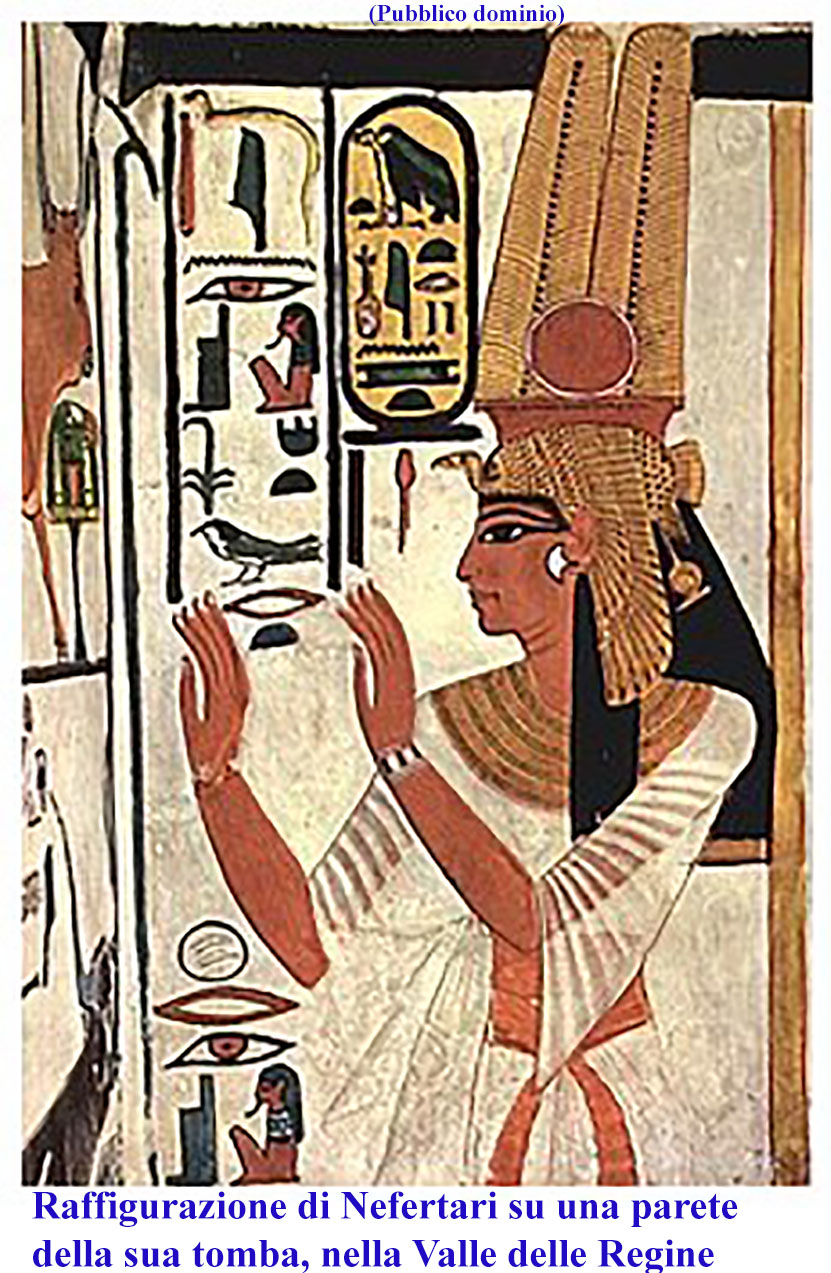
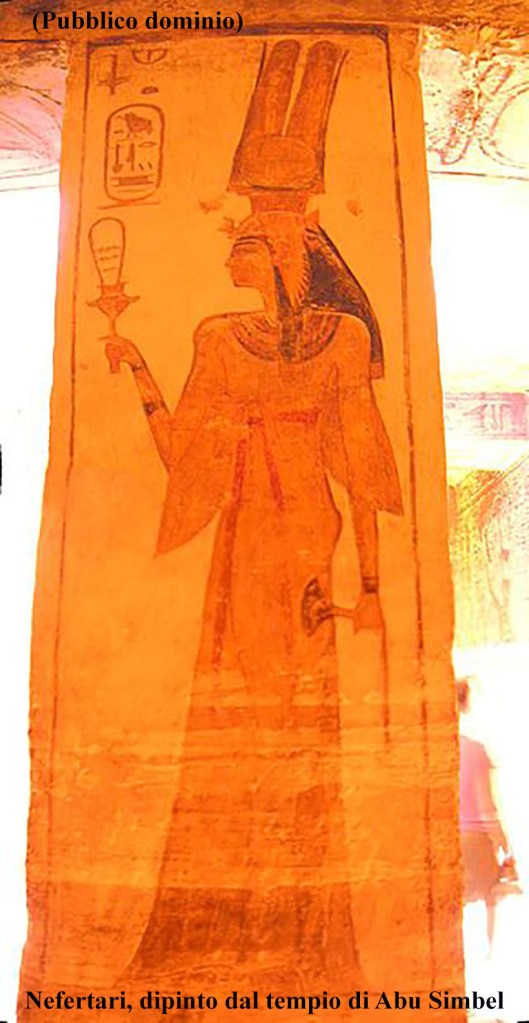
Nominato “Principe ereditario”, intorno al tredicesimo anno di regno di Seti I, questi ordinò che venisse costruito un palazzo per il Principe, probabilmente nella città di Menfi. Dall’harem appena avuto dal padre, Ramses II scelse forse la più bella ed affascinante concubina e la fece sua “Grande Sposa Reale” Nefertari, colei che diventerà una delle regine meglio conosciute della storia egizia, nonché una delle più potenti, almeno pari ad Hatshepsut, Nefertiti e Cleopatra VII, pur non avendo regnato in autonomia.
Nefertari non fu solo la sposa reale di facciata, la bellezza ed il fascino che emanava non erano gli unici suoi meriti, la regina possedeva un’istruzione eccezionale: sapeva leggere e scrivere, cosa rara per l’epoca. Abile diplomatica, seppe mantenere una corrispondenza alla pari con altri sovrani del suo tempo. L’importanza della regina Nefertari è tale per cui di lei parleremo ancora ampiamente.
In quel periodo Seti I affidò al giovane principe il compito di curare i rapporti con la Nubia, più in particolare doveva riscuotere i tributi dei paesi di Wawat e Kush. Ebbe anche il compito di sedare le scorribande dei beduini Shasu nella terra di Canaan. Altro compito molto importante, che Ramses II eseguì magistralmente, anche forse con un po di eccesso, fu quello di curare personalmente il grande programma architettonico paterno lungo tutto l’Egitto.
Dopo un regno durato undici o quindici anni (durata ancora oggi oggetto di dibattito tra gli studiosi), Seti I salpò per i Campi di Iaru e sul suo trono prese posto Ramses II, all’età di circa venticinque anni, pare che corressero i primi di giugno del 1279 a.C. (“3º mese dell’estate, 27º giorno”).
Forte dell’esperienza maturata durante gli anni trascorsi in reggenza (e/o coreggenza) col padre Seti I, Ramses II si impose subito come sovrano energico e determinato. Già nel primo anno di regno organizzò un viaggio rituale per visitare i principali santuari presenti lungo il Nilo, ad Abydos vide che la costruzione del tempio di suo padre Seti I era stata abbandonata dopo la morte del sovrano, ordinò che questa fosse immediatamente ripresa e portata a termine: con orgoglio fece eseguire delle grandi iscrizioni sul portico per ricordare questo evento.
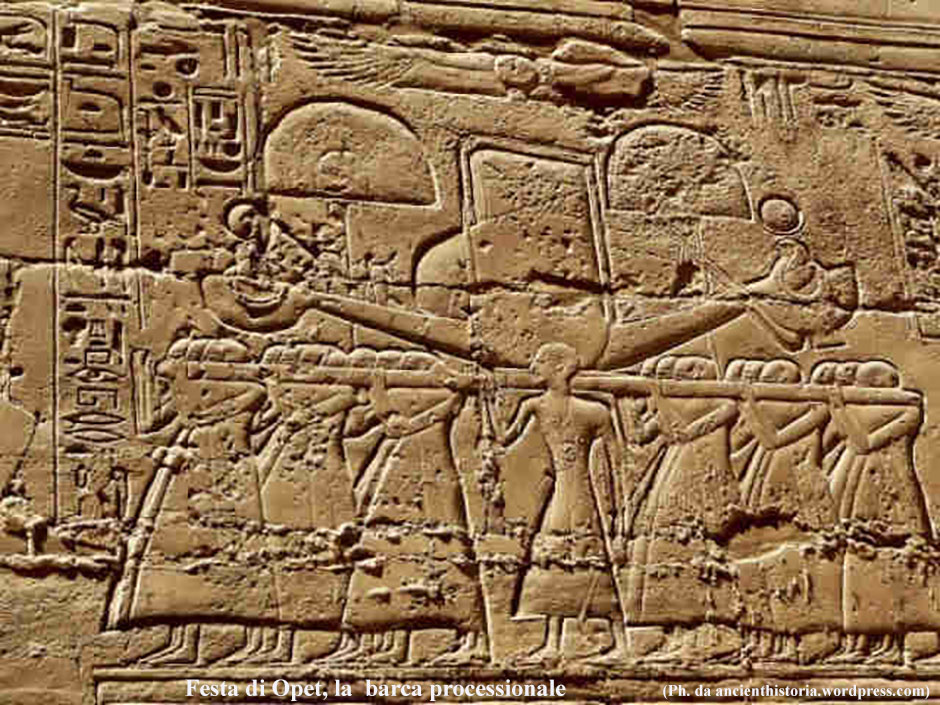
Nello stesso anno presenziò alla “Festa di Opet” (heb ipet) dedicata alla Triade tebana che si celebrava nel II mese di Akhet (Menkhet); la festa era chiamata col nome del tempio di Amon a Luxor “ipet resut” (Camera segreta del Sud) diversamente dal tempio dello stesso Amon di Karnak “hut aat” (La Grande Dimora).
La Festa di Opet aveva, tra gli altri, lo scopo di rinnovare il diritto del Faraone, in quanto figlio di Amon-Ra, a guidare il suo popolo mantenendo stabilità e benessere alle Due Terre. E qui emerge la prepotenza trionfale di Ramses II che, caso unico nella millenaria storia della monarchia egizia, officiò egli stesso come Primo Profeta di Amon, poiché il titolare era deceduto poco tempo prima.
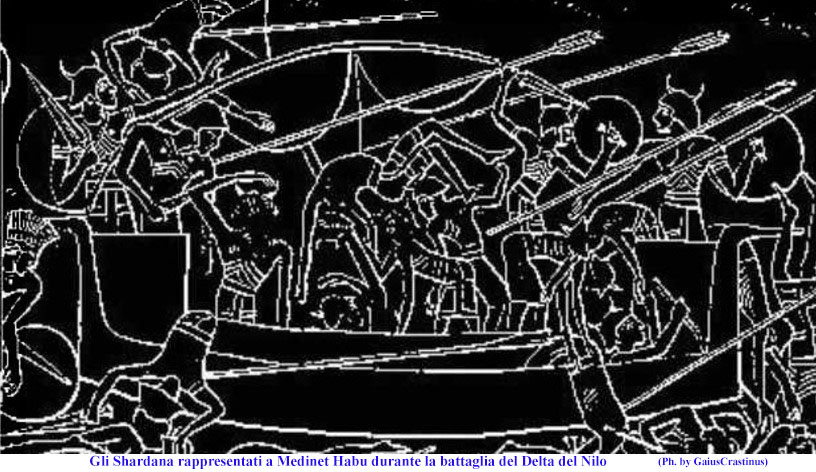
Fece altresì valere la sua autorità nominando, in quella carica, il Primo Profeta di Hathor a Dendera, fedelissimo di Ramses II garantendosi così l’appoggio del clero tebano. Tanto per dimostrare al mondo di allora chi era il grande Ramses, Signore delle Due Terre, il faraone guerriero, partì subito alla testa del suo esercito per restaurare i possedimenti Egizi in Nubia, i cui giacimenti auriferi costituivano una imperdibile risorsa e, per rinsaldare i confini del Paese si rivolse anche contro gli ittiti. Tanto per non farsi mancare nulla si diresse anche verso la Libia per disperdere i nomadi che sconfinavano verso le sue terre. Fino ad allora era stata prestata scarsa attenzione alle zone del Mar Egeo e del Mediterraneo orientale dove spadroneggiavano i predoni del mare, i ben noti Shardana creando numerosi problemi ai popoli dell’Asia Minore.
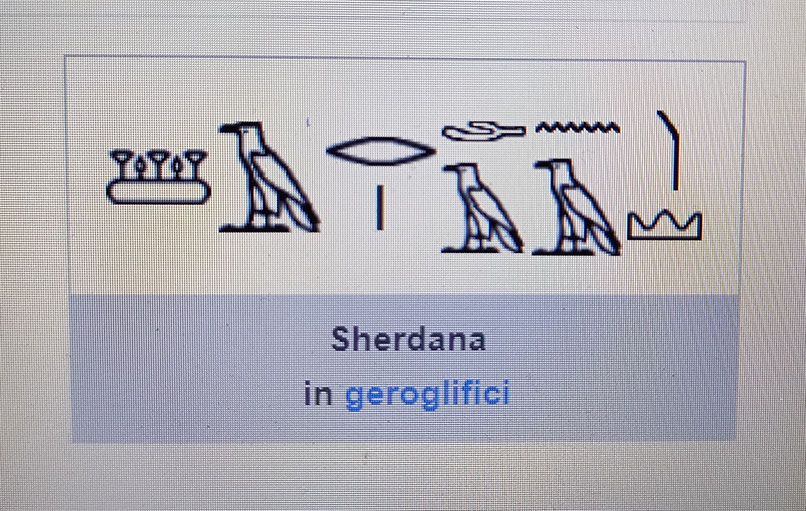
Gli Shardana depredavano la costa dell’Egitto, le bocche del Nilo e più in generale il Delta, inoltre i loro continui attacchi ai mercantili egizi compromettevano le relazioni commerciali sia in uscita che in entrata. Non è mai stato chiarito quale fosse la regione di provenienza del popolo Shardana, forse dalla costa ionica, forse dalla zona sud-occidentale della Turchia, alcuni studiosi hanno ipotizzato che, in virtù dell’assonanza del loro nome, provenissero dalla Sardegna. Con grande abilità strategica Ramses II tese loro una trappola, con uno strattagemma riuscì ad attirare in un unico punto l’intera armata Shardana che, colta di sorpresa non ebbe scampo. Con questa mossa Ramses II riuscì a catturare un ingente numero di Shardana ai quali risparmiò la vita in cambio del loro arruolamento come mercenari nelle file dell’esercito egiziano fino a diventare in seguito le sue guardie personali.
Gli Shardana rimasero fedeli a Ramses II tanto da giocare un ruolo molto importante nella successiva battaglia di Qades.
Fonti e bibliografia:
Silvio Curto, “L’arte militare presso gli antichi egizi”, Torino, Pozzo Gros Monti S.p.A, 1973
Franco Cimmino, “Ramesse II il Grande”, Milano, Tascabili Bompiani, 2000,
Sergio Pernigotti, “L’Egitto di Ramesse II tra guerra e pace”, Brescia, Paideia Editrice, 2010
Kenneth Kitchen, “Il Faraone trionfante. Ramses II e il suo tempo”, Bari, Laterza, 1994,
Said to be one of the least well-attested kings of ancient Egypt, Raneb was the 2nd king of Dynasty II. We know very little about his reign. Not even his queen’s name is known. Of course, other than the last ruler, I don’t think we know the queen’s name of any other Dynasty II king.
Considerato uno dei re meno attestati dell’antico Egitto, Raneb fu il secondo re della II dinastia. Sappiamo pochissimo del suo regno. Non si conosce nemmeno il nome della sua regina. Naturalmente, a parte l’ultimo sovrano, non credo che si conosca il nome della regina di nessun altro re della II dinastia.
As you can see on his tomb stela in my photo from NYC’s Metropolitan Museum of Art, his serekh name is spelled: 𓇳 𓎟
Come si può vedere sulla stele della sua tomba nella mia foto del Metropolitan Museum of Art di New York, il suo nome serekh è scritto: 𓇳 𓎟
What is interesting about this is that it would translate to “Ra is lord” except for the fact that Ra was not yet worshipped until the Old Kingdom. Thus, it is thought that, in this case, the solar disk i.e. 𓇳 or N5 is just referring to the Sun and thus his name translates as “Lord of the sun.” Often, he is now referred to as “Nebra” rather than “Raneb” possibly to fit the style of many throne names beginning, I believe, with Pepy I of Dynasty VI.
L’aspetto interessante è che si tradurrebbe in “Ra è il signore”, se non fosse che Ra non era ancora venerato fino all’Antico Regno. Si pensa quindi che, in questo caso, il disco solare, cioè 𓇳 o N5, si riferisca semplicemente al Sole e quindi il suo nome si traduce come “Signore del sole”. Spesso ci si riferisce a lui come a “Nebra” piuttosto che a “Raneb”, forse per adattarsi allo stile di molti nomi di intronizzazione a partire, credo, da Pepi I della VI dinastia.
Raneb is thought to have had a reign of about 10-14 years.
Si ritiene che Raneb abbia avuto un regno di circa 10-14 anni.
The MMA’s accession number is 60.144 and the medium is granite.
Il numero di registrazione dell’MMA è 60.144 e il supporto è in granito.
An interesting side note is that he is thought to have had a son named Perneb but it is not known whether Perneb, a priest, was the son of Hetep-sekhem-wy or Raneb because both pharaohs are thought to have had their tomb near the Pyramid of Unas at Saqqara (where artifacts bearing the name of Perneb were found).
Un’interessante nota a margine è che si pensa che avesse un figlio di nome Perneb, ma non si sa se Perneb, un sacerdote, fosse figlio di Hetep-sekhem-wy o di Raneb, perché si pensa che entrambi i faraoni avessero la loro tomba vicino alla Piramide di Unas a Saqqara.
The interesting side note (or, rather, coincidence) is that I am pretty certain that that wall (behind the stela) is that of the Old Kingdom’s Mastaba of Perneb (also from Saqqara) but definitely not the same Perneb.
L’interessante nota a margine (o, piuttosto, la coincidenza) è che sono abbastanza certo che quel muro (dietro la stele) sia quello della Mastaba di Perneb dell’Antico Regno (anch’essa proveniente da Saqqara), ma sicuramente non lo stesso Perneb.
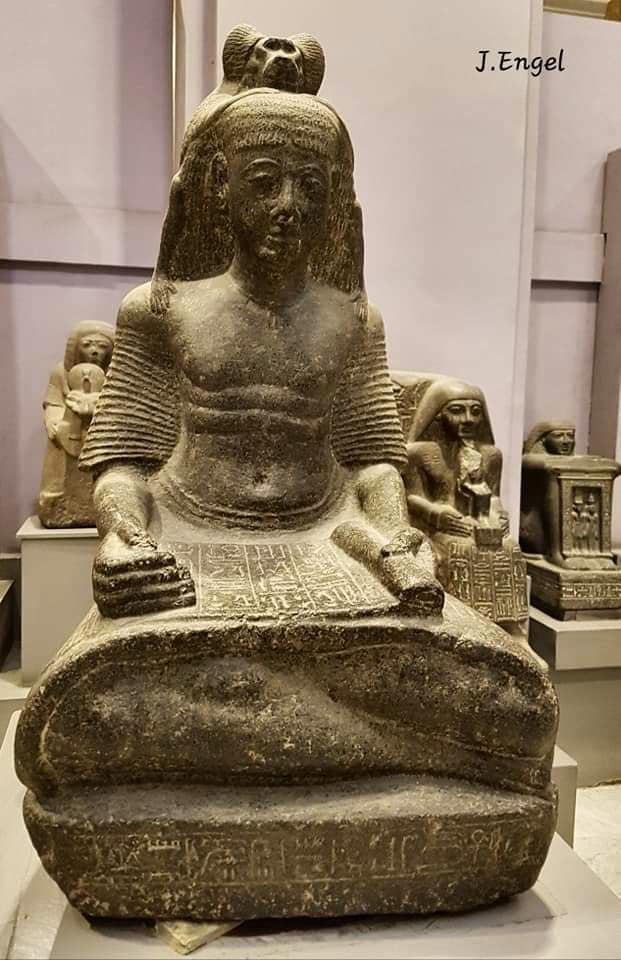
Ramessenakht was the High Priest of Amun during the second half of the 20th Dynasty.
This statue depicts him in the customary pose of a scribe with crossed leg and a roll of papyrus spread over his knees and a cane pen that was once in his right hand, now lost.
Behind the head of the priest appears the head of a baboon that symbols Thoth, god of the Moon, wisdom, knowledge, writing, hieroglyphs, science, magic, art and judgment.
The papyrus roll encloses ten hieroglyphic lines indicating the titles of Ramessenakht and his father the scribe Merybastet .
The hieroglyphic inscriptions on the base of the statue indicate that it was dedicated to Ramessenakht and his son Nesamun , who also became the High Priest of Amun .
Con la morte di Seti I sale al trono Ramses II, figlio della Grande Sposa Reale Tuia. Designato fin dalla nascita a succedere al padre Seti I, si racconta che il faraone si presentò in pubblico con il piccolo Ramses tra le braccia e disse:
<< Fatelo apparire come un re, affinché io possa vedere tutta la sua bellezza, mentre sono ancora in vita! >>.
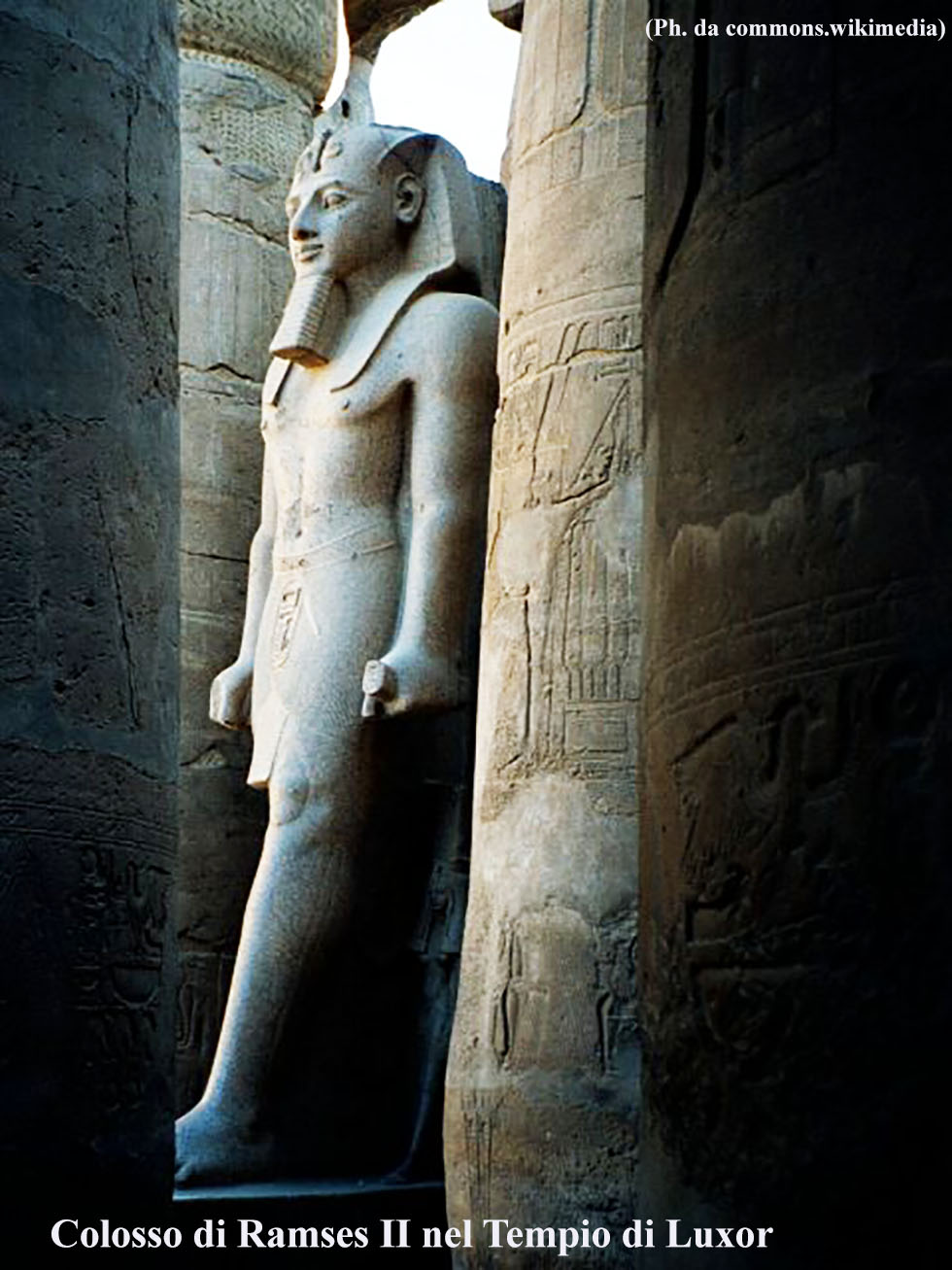
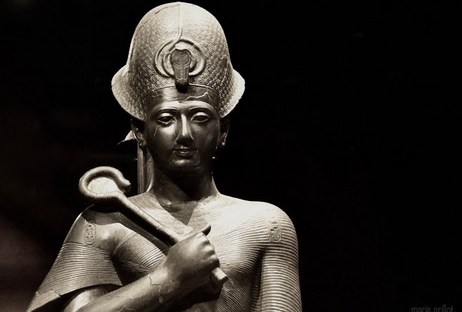
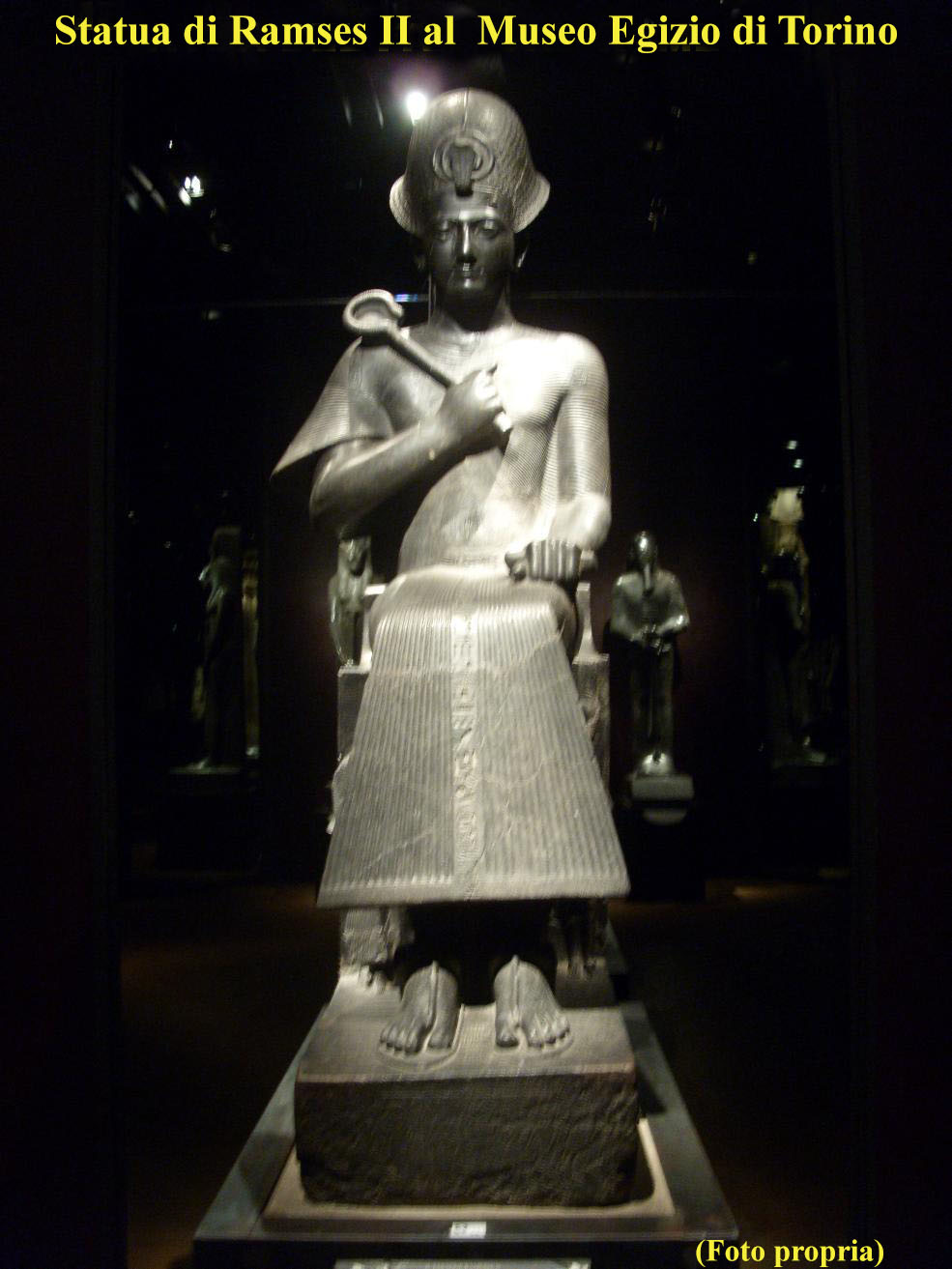
Ramses Usermaatra, Setepenra, Ramess(u), Meriamon, conosciuto anche come Ramesse II, Ramsete II o più propriamente come Ramses “il Grande”. Talmente grande da permettersi di far incidere su di una sua statua:
<< Se qualcuno vuole sapere quanto grande io sia e dove giaccio, superi qualcuna delle mie imprese >>. (Frase riportata da Diodoro Siculo nella sua “Bibliotheca historica”.
Possente guerriero, alto 185 cm, Ramses II aveva un portamento regale, il naso leggermente aquilino con occhi a mandorla che risaltavano su un volto ovale con labbra carnose, zigomi alti e mascella ben definita. Bianco di pelle con i capelli di colore rosso fulvo. Il suo aspetto incuteva timore e rispetto in quanto il rosso era il colore attribuito a Seth. Si muoveva con atteggiamento ritto ed orgoglioso esprimendo un’aria di suprema maestà.
Fu un faraone molto longevo e governò per circa 67 anni, se poi a questi si aggiungono otto anni di coreggenza col padre il suo regno è di 75 anni. L’egittologo britannico Kenneth Kitchen ha paragonato la durata del suo regno a quello della regina del Regno Unito Vittoria; (la sua fama è tale per cui l’intero periodo della sua dinastia viene comunemente chiamato “Periodo Ramesside”). Scrisse Kitchen:
<<…….[Il suo regno] contrassegnò un’epoca e fu caratterizzato nel suo corso sia da eventi politici eccezionali, sia da uno stile ben definito nelle arti e nei monumenti, venuto in auge dopo un’epoca più raffinata ed elegante. Lo stile “ramesside” e quello “vittoriano” si impressero entrambi per l’eterno nella storia delle rispettive nazioni……>>.
Ramses II nacque intorno al 1300 a.C. circa, si ipotizza che la sua famiglia fosse originaria del Delta, nella città di Avaris, antica sede degli Hyksos, centro di culto del dio Seth. Pare assodato che la sua fosse una famiglia di alto lignaggio principalmente in campo militare. Secondo la tradizione di famiglia per i membri maschili, Ramses venne allevato in ambito militare dove ricevette una ferrea istruzione; a circa dieci anni era già comandante di un raggruppamento di soldati a capo dei quali forse partecipò col padre ad una campagna contro i libici.
L’epoca di Ramses II ha colpito generazioni di archeologi e scrittori affascinati dalla grandezza delle sue opere e delle sue battaglie (anche se non proprio tutte fortunate). Commentando la vita di Ramses II, l’egittologo francese Pierre Montet scrisse:
<< Ha ben meritato d’essere chiamato grande. Avendo dato prova, nella battaglia di Qades, d’un coraggio straordinario, è entrato ancora in vita nella leggenda. In tutta la sua vita ha esercitato coscienziosamente il mestiere di re. Il suo egoismo mostruoso era temperato dalla bontà di cui hanno beneficato i suoi soldati, i suoi artisti, i membri della sua famiglia e si può perfino dire l’insieme dei suoi sudditi >>.
L’intensa attività di costruttore di monumenti, templi e statue ha fatto di Ramses II il faraone più rappresentato in Egitto di qualsiasi altro, seppur grande faraone, tanto per non farsi mancare nulla, arrivò anche ad usurpare monumenti non suoi. Di lui scrive il celebre egittologo francese Nicolas Grimal:
<< Egli è certo il faraone più noto della storia egiziana, colui che è diventato un simbolo di questa civiltà, come le piramidi. Il suo regno è di gran lunga il più glorioso, ma soprattutto il più conosciuto: infatti, in sessantasette anni di esercizio del potere, Ramses coprì la valle del Nilo di monumenti e lasciò nella storia del Vicino Oriente una traccia incancellabile. La sua personalità eccezionale si impose in un’epoca che era anch’essa fuori del comune, per l’importanza dei continui confronti tra i grandi imperi orientali >>.
Ora che ne abbiamo tessuto le lodi direi che sia il caso di intrufolarci nella sua vita per vedere di persona quelli che sono stati i meriti ma anche i difetti (ne avrà ben avuti anche lui).
Secondo quanto ci è dato a sapere Ramses II celebrò il suo primo giubileo, la festa “Heb Sed” (o festa giubilare), come usanza al raggiungimento del trentesimo anno di regno. Per pignoleria “Sed” (ovvero “colui che ha la coda”) era il nome antico del dio Wepwewet (Upuaut) predecessore di Anubi. La festa Heb Sed, dopo il trentesimo anno di regno veniva celebrata con una cadenza molto variabile, molti faraoni la celebrarono assai prima del trentesimo anno e nel corso del loro regno ne celebrarono più di una; voi pensate che il Grande Ramses II potesse essere da meno? Ne celebrò ben 14, più di ogni altro re d’Egitto.
Forse la sua fama, più che al suo modo di governare o alla sua politica o alle sue battaglie, è dovuta al fatto che ha riempito l’Egitto con i suoi numerosissimi monumenti, statue, templi, oggetti d’arte oltre ad una grande quantità di iscrizioni prodotte ovunque, anche sulle opere dei suoi predecessori, facendo si che non c’è Museo o collezione di antichità egizie al mondo che non possegga qualcosa di suo; non per niente è il faraone più conosciuto al mondo, oggi come nell’antichità.
Tanta doveva essere la voglia di distinguersi dai suoi predecessori che lui, il Grande, mica poteva risiedere nelle capitali che furono un tempo, la sua doveva essere la “Dimora di Ramses”, così chiamò la capitale che si fece costruire nel Delta del Nilo Pi-Ramses.
A proposito di Pi-Ramses, alcuni ritengono si tratti della città di Pitom a cui fa riferimento la Bibbia nel Libro dell’Esodo, quando parla della schiavitù degli ebrei in Egitto e Ramses II sarebbe il “Faraone dell’oppressione”. Secondo altri invece il faraone con cui Mosè si sarebbe scontrato sarebbe il figlio e successore di Ramses II, Merenptah. In realtà il testo biblico non fornisce il nome di nessun faraone, né alcuna altra informazione utile a collocare la vicenda nella plurimillenaria storia egizia. Non esiste alcuna prova storica o archeologica che provi il coinvolgimento di Ramses II o di Merenptah nell’episodio dell’Esodo ed i loro nomi non vengono mai menzionati nella Torah.
In alcune fonti greche (Diodoro Siculo nella sua “Bibliotheca historica”) menziona un faraone di nome “Ozymandias” che potrebbe essere la corruzione del praenomen di Ramses II (Usermaatra Setepenra).
Fonti e bibliografia:
Silvio Curto, “L’arte militare presso gli antichi egizi”, Torino, Pozzo Gros Monti S.p.A, 1973
Franco Cimmino, “Ramesse II il Grande”, Milano, Tascabili Bompiani, 2000,
Sergio Pernigotti, “L’Egitto di Ramesse II tra guerra e pace”, Brescia, Paideia Editrice, 2010
Kenneth Kitchen, “Il Faraone trionfante. Ramses II e il suo tempo”, Bari, Laterza, 1994,
Che differenza c’è tra l’avvolgente e la tenaglia? Ad occhio direi che la tenaglia colpisce ai lati, giusto?
Poiché ritengo che il quesito sia di interesse generale sarà opportuno risponderle con un post specifico.
Definire una manovra militare “a tenaglia” è molto poco professionale però rende bene l’idea di una formazione militare che si faccia sorprendere ed attaccare contemporaneamente da due direzioni diverse, preferibilmente opposte. In questo modo per il difensore non ci sarà scampo.
L’OPLOLOGIA EGIZIA, quasi totalmente trascurata in Italia, ci insegna che i thutmosidi applicavano la MANOVRA CONVERGENTE mentre i ramessidi preferivano la MANOVRA AVVOLGENTE.
Entrambe si basavano su questo semplice concetto.
L’Asia veniva invasa con una spedizione militare completa di carreria, fanteria (pesante, leggera, arcieri) e logistica. Arrivati a Megiddo l’ala sinistra dell’esercito si distaccava dal grosso e proseguiva verso Nord sulla VIA COSTIERA, mentre tutto il resto della formazione proseguiva sulla VIA ORIENTALE.
Il grosso avrebbe impegnato il nemico, mentre l’ala sinistra, convergendo al momento opportuno avrebbe preso alle spalle l’avversario. Una vera e propria “tenaglia”.
Ma se il movimento reciproco delle due formazioni era identico perché definire l’avvicinamento in modo diverso?
Semplicemente perché la MANOVRA CONVERGENTE prevedeva che l’ala sinistra rimanesse dotata della propria logistica. Ciò obbligava la formazione a rimanere sulle strade battute avendo al seguito dei pesanti carriaggi. Quindi attraversava ogni centro abitato asiatico.
Diversamente la MANOVRA AVVOLGENTE lasciava proseguire l’ala sinistra sulla Via Costiera ma senza la logistica. Ciò permetteva alla formazione laterale di proseguire più speditamente perché non appesantita dai carriaggi. Inoltre essa poteva evitare l’attraversamento dei centri abitati perché non necessitava delle strade battute e quindi poteva passare più inosservata agli occhi del nemico risultando meno intercettabile.
Un suo problema era che per la sussistenza dipendeva dal grosso dell’esercito il quale possedeva tutta la logistica, anche quella dell’ala sinistra. Ciò significava che tra l’ala e il grosso avvenivano spesso contatti.
Di converso c’era una notevole positività. Il re sapeva sempre perfettamente dov’era la sua ala, appunto perchè i contatti avvenivano più volte al giorno.
Questo salvò Ramesse durante la battaglia.
Molti commentatori parlano di un arrivo fortunoso e casuale di rinforzi non ben definiti, non ben identificati. Addirittura si parla di contingenti locali di città alleate. Assolutamente sbagliato. Era l’ala sinistra. Ramesse quando capì che la sorpresa tattica dell’ala era ormai svanita richiese la sua immediata presenza sul campo di battaglia. Di più. Si fece urgentemente anticipare le unità carriste (più veloci) in modo da contenere l’aggressione della proiezione ittita sulla Amon. Chi lo dice? Ma il semplice fatto che la carreria dell’ala sinistra non si posizionò dietro gli Ittiti con un largo giro della pianura, ma si ridispiegò a fianco del faraone segno evidente che gli ordini precedenti erano completamente stati cambiati per la nuovissima e gravissima situazione tattica.
Per essere più chiaro allego le due diapositive relative al cambio tattica, prese dalla conferenza e dal Quaderno di Egittologia 10.
DIAPOSITIVA 1: IL PIANO DI BATTAGLIA ORIGINALE Ubicato il nemico la Amon e la Ra sosterranno i primi assalti e si impegneranno in un’azione di logoramento delle unità ittite dando tempo alla Ptah e alla Seth di raggiungere il campo di battaglia per assestare il colpo finale. Dalla costa, attraverso il passo di Eleutherós, giungerà l’ala sinistra a chiudere ogni possibile via di fuga di Muwatalli. Da tenere ben presente come l’analisi del territorio dimostri che l’unica via di fuga per gli asiatici sia verso EST dove appunto si apposterà l’ala sinistra. Ad OVEST il terreno si alza su rilievi significativi, mentre verso Est c’è la pianura del fiume Oronte.
DIAPOSITIVA 2: IL NUOVO PIANO DI BATTAGLIA Con sufficiente tempismo compare sul campo di battaglia l’ala sinistra che, uscita dal passo dell’Eleutherós ha raggiunto velocemente la piana di Qadesh. Però non raggiunge il punto previsto per tagliare la ritirata degli Ittiti ma, molto più opportunamente, si ridispiega a fianco di Ramesse II. Anche se i resoconti egizi a proposito tacciono, questo significa che erano partiti dei messaggeri in direzione della costa per allertare l’ala sinistra facendone anticipare almeno le formazioni carriste che erano le più veloci e delle quali il faraone aveva assoluta necessità. Il fatto che i carri dell’ala sinistra si ridispieghino immediatamente a fianco di Ramesse II, già pienamente operativi e in completo assetto da battaglia, vuol dire che avevano ricevuto ordini nuovi e che, quindi, già sapevano che il piano originale non era più valido.
Today I begin Dynasty II as my pharaonic series continues. Most Egyptologists give the dynasty five different kings with the first being Hetep-sekhem-wy.
Oggi inizio la serie faraonica della II dinastia. La maggior parte degli egittologi attribuisce alla dinastia cinque diversi re, il primo dei quali è Hetep-sekhem-wy.
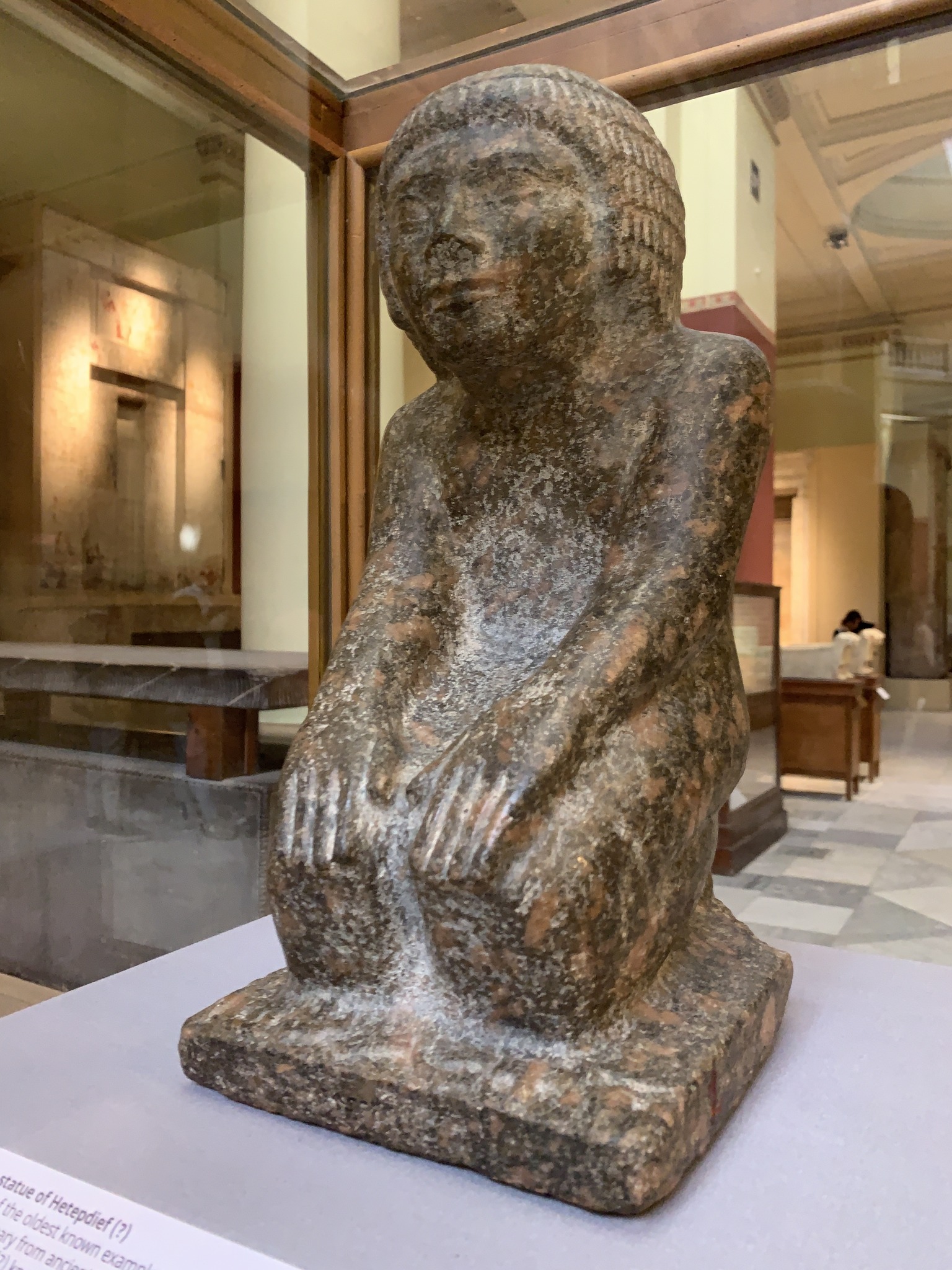
You may remember the name Hetep-sekhem-wy from my post of about three months ago featuring the earliest-known statue of a non-royal … that being Hetepdief in the featured photo. My three other photos are are also from the reign of Hetep-sekhem-wy.
Forse ricorderete il nome di Hetep-sekhem-wy dal mio post di circa tre mesi fa che presentava la prima statua conosciuta di un non reale… ovvero Hetepdief nella foto in evidenza. Anche le altre tre foto risalgono al regno di Hetep-sekhem-wy.
Hetepdief is significant because his right rear shoulder displays the three serekhs of Dynasty II’s first trio of kings which I’ll go through again later.
Hetepdief è significativo perché la sua spalla posteriore destra mostra i tre serekh del primo trio di re della II Dinastia, che analizzerò nuovamente più avanti.
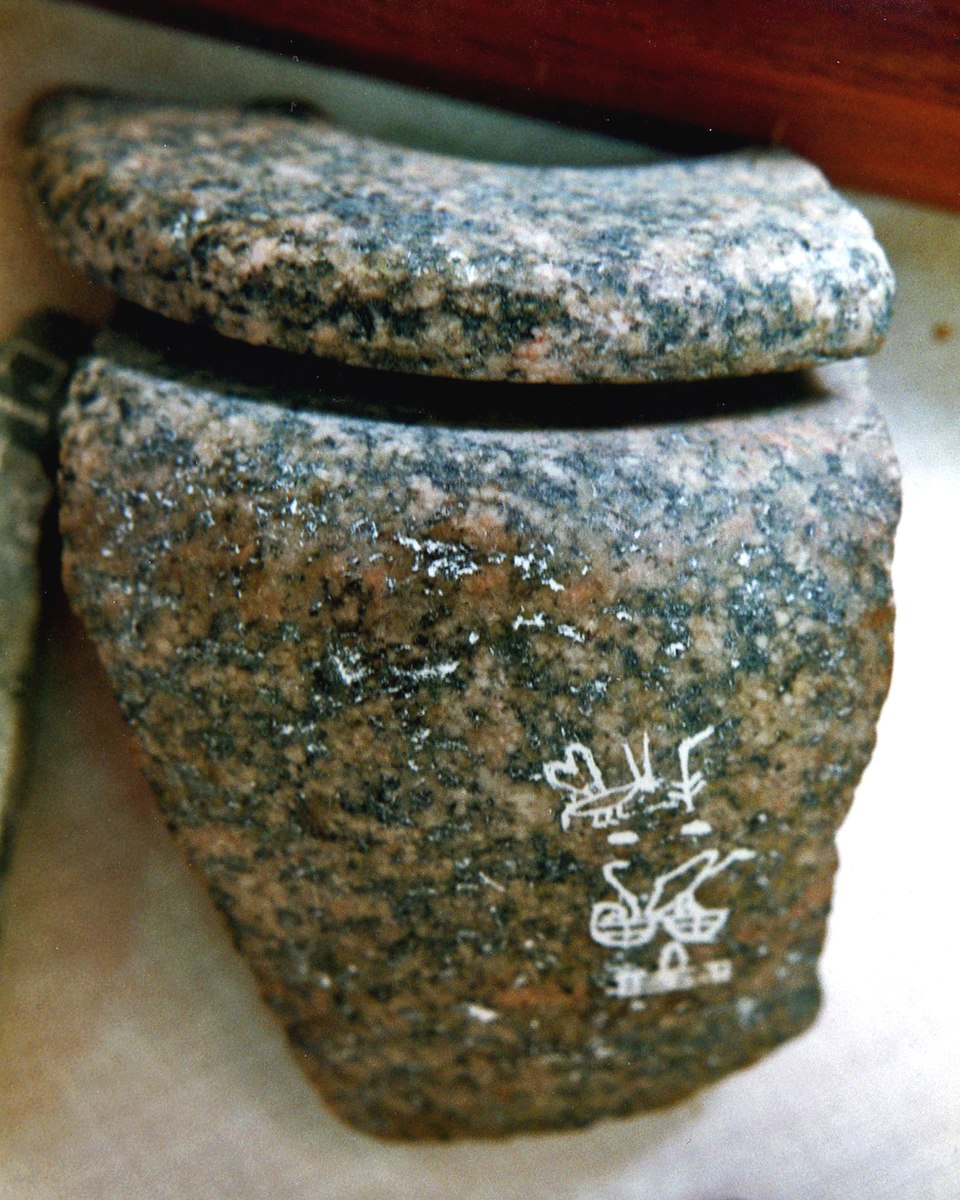
The three other third-party photos are:
Le altre tre foto – di terzi – sono:
Photographer: Juan Lazaro, 2000 License: Creative Commons
1) a granite vase from the Egyptian Museum featuring only part of Hetep-sekhem-wy’s name that being the 𓊵 offering table. He is the only king of the 30 dynasties (of whom I am aware) whose name begins with ‘Hetep.’
1) un vaso di granito del Museo Egizio che riporta solo una parte del nome di Hetep-sekhem-wy, ovvero la tavola d’offerta 𓊵. È l’unico re delle 30 dinastie (di cui sono a conoscenza) il cui nome inizia con “Hetep”.
3) a black vase from the National Archaeological Museum of France also featuring his full serekh.
3) un vaso nero del Museo Archeologico Nazionale di Francia, anch’esso con il suo serekh completo.
Hetep-sekhem-wy deviated from the norm. That is, he moved his tomb from the now traditional necropolis at Umm el-Qa’ab at Abydos to the necropolis of Saqqara at “ineb hedj” ( 𓊅 𓌉 meaning “White Walls” or what we now call “Memphis”). That tomb is, unfortunately, not open and has not been open for, I believe, over a century. It still exists though and lies under the Dynasty 5 Pyramid of Unas. In the comments, I’ll show a map of how it is laid out below the Unas pyramid.
Hetep-sekhem-wy si discostò dalla norma. Trasferì cioè la sua tomba dall’ormai tradizionale necropoli di Umm el-Qa’ab ad Abydos alla necropoli di Saqqara a “ineb hedj” (𓊅 𓌉 che significa “Mura Bianche” o quella che oggi chiamiamo “Memphis”). Questa tomba, purtroppo, non è aperta e non lo è più da oltre un secolo, credo. Tuttavia, esiste ancora e si trova sotto la Piramide di Unas, della V Dinastia. Nei commenti, mostrerò una mappa di come è disposta sotto la piramide di Unas.
Hetep-sekhem-wy spelled his name in hieroglyphs as: 𓊵 𓌂𓌂 … 𓊵 is ‘ḥtp’ (hetep or hotep) or an offering table whereas 𓌂 is sḫm (sekhem) or a scepter.
Hetep-sekhem-wy scriveva il suo nome in geroglifici come: 𓊵 𓌂𓌂… 𓊵 è ‘ḥtp’ (hetep o hotep) o una tavola d’offerta mentre 𓌂 è sḫm (sekhem) o scettro.
The 𓌂𓌂 or duplicate scepter pluralizes his name which adds ‘wy’ or ‘wi’ to the end of his name.
Il 𓌂𓌂 o scettro duplicato pluralizza il suo nome che aggiunge “wy” o “wi” alla fine del suo nome.
We now reach the ninth and final king of Dynasty I … that being King Qa’a which was both his serekh or Horus name and his throne name. His predecessor, Semerkhet, was the first to use a Nebty name, but my photo from the Cairo Museum (despite the use of the Two Ladies immediately above his name) is his throne name according to https://pharaoh.se/pharaoh/Qaa
Arriviamo ora al nono e ultimo re della dinastia I… ovvero il re Qa’a, che era sia il suo serekh o nome di Horus sia il suo nome di intronizzazione. Il suo predecessore, Semerkhet, fu il primo a usare un nome Nebty, ma la mia foto del Museo del Cairo (nonostante l’uso delle Due Signore immediatamente sopra il suo nome) è il suo nome di intronizzazione secondo https://pharaoh.se/pharaoh/Qaa.
Thus, his throne name appears in the top left of his Royal Label as: 𓅒𓆤𓏏 𓇓 𓏏 𓈎 𓂝 which, according to pharaoh.se, translates as “The Dual king with raised arm of the Two Ladies.” But the last two hieroglyphs 𓈎 (Q) and 𓂝 (the ayin … often used as a vowel … would be the ‘a’). Remember that there were no vowels in hieroglyphs. We just use glottal stops (the alef, the ayin, the yod) as convenient vowels or we probably would have a difficult time pronouncing many of their names. At least, this is how I understand it. I would enter the actual transliterations but most browsers are still incapable of displaying them other than as boxes (meaning they could not be displayed).
Pertanto, il suo nome di intronizzazione appare in alto a sinistra della sua placca reale come: 𓅒𓆤𓏏 𓇓 𓏏 𓈎 𓂝 che, secondo pharaoh.se, si traduce come “Il duplice sovrano con il braccio alzato delle due signore”. Ma gli ultimi due geroglifici 𓈎 (Q) e 𓂝 (l’ayin… spesso usato come vocale… sarebbe la ‘a’). Ricordiamo che nei geroglifici non esistevano vocali. Noi usiamo solo gli stop glottali (l’alef, l’ayin, lo yod) come comode vocali, altrimenti probabilmente avremmo difficoltà a pronunciare molti dei loro nomi. Almeno, questo è il modo in cui lo intendo io. Vorrei inserire le traslitterazioni vere e proprie, ma la maggior parte dei browser non è ancora in grado di visualizzarle se non come caselle (il che significa che non possono essere visualizzate).
Stela of Qa’a now in the NMEC. Unfortunately, I do not have the photographer’s name. Stele di Qa’a ora nel NMEC. Purtroppo non ho il nome del fotografo.
Qa’a was not just the last king of Dynasty 1 but also the last king of the 29th Century BCE. He is generally given a reign of 33 years because we know that he celebrated a second heb festival and since the first was generally celebrated in a king’s 30th year and the second heb was three years later, he likely achieved 33 years. It is thought that, upon his death, an internal war erupted between two possible successors. Yet neither of them succeeded him and his reign was followed by the founder of Dynasty 2.
Qa’a non fu solo l’ultimo re della Dinastia 1, ma anche l’ultimo sovrano del 29° secolo a.C.. In genere gli si attribuisce un regno di 33 anni perché sappiamo che celebrò una seconda festa di Heb e, poiché la prima veniva generalmente celebrata nel 30° anno di vita di un re e la seconda Heb era tre anni dopo, è probabile che abbia raggiunto i 33 anni. Si pensa che, alla sua morte, sia scoppiata una guerra interna tra due possibili successori. Tuttavia, nessuno dei due gli succedette e il suo regno fu seguito dal fondatore della Dinastia 2.
Stela of Qa’a in the Penn Museum. The photographer goes by the name of Chipdawes. The license is Creative Commons. Stele di Qa’a nel Penn Museum. Il fotografo si chiama Chipdawes. La licenza è Creative Commons.
The tomb of Qa’a at Umm el-Qa’ab. The photographer was Tore Kjeilen who stated that the photo is public domain. La tomba di Qa’a a Umm el-Qa’ab. Il fotografo è Tore Kjeilen, che ha dichiarato che la foto è di dominio pubblico.
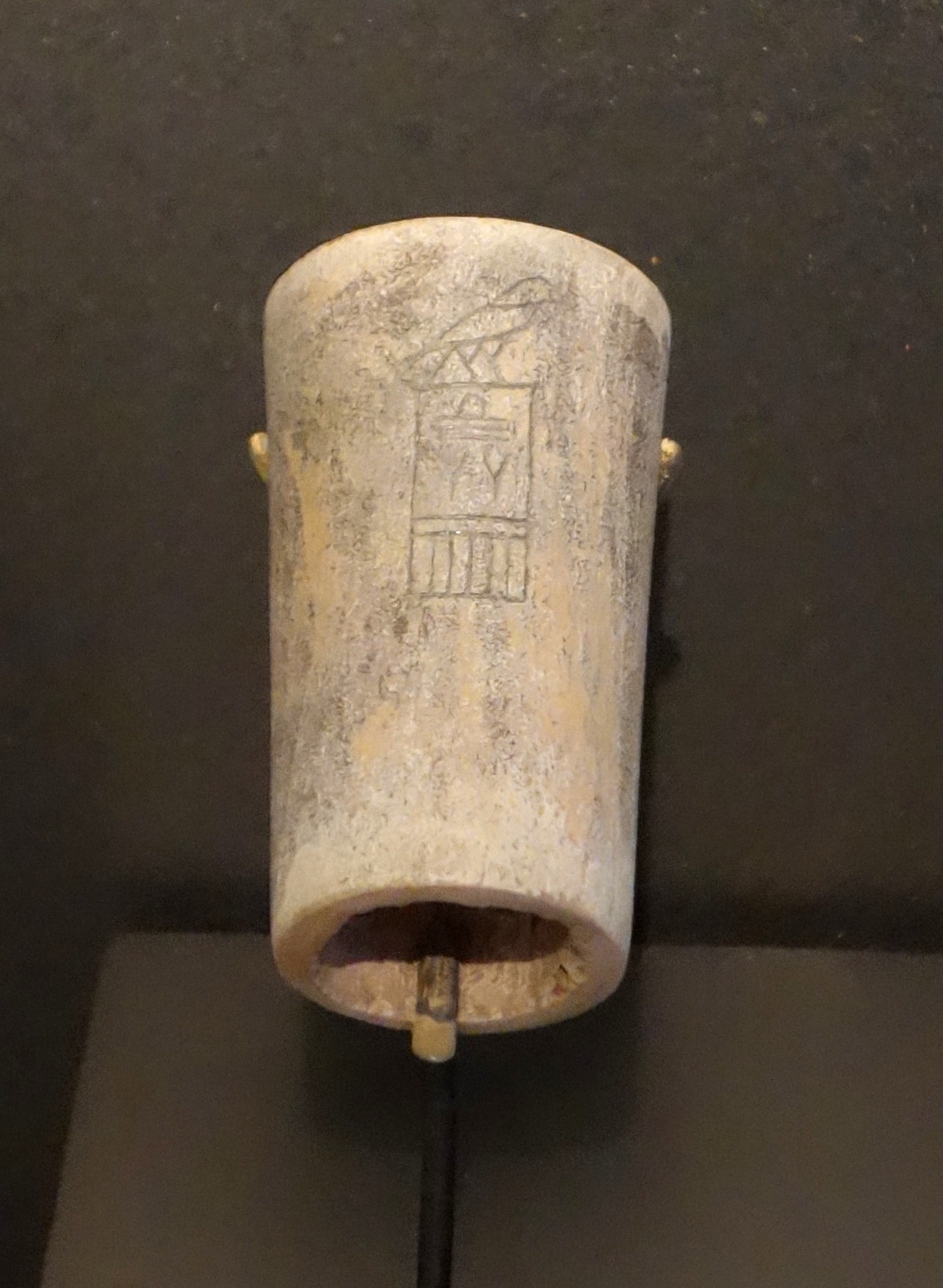
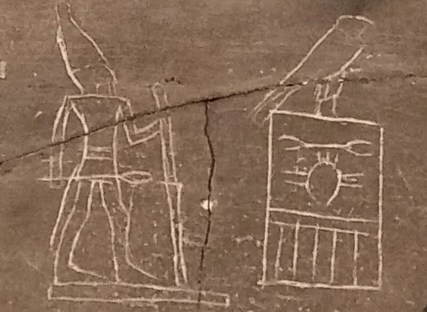
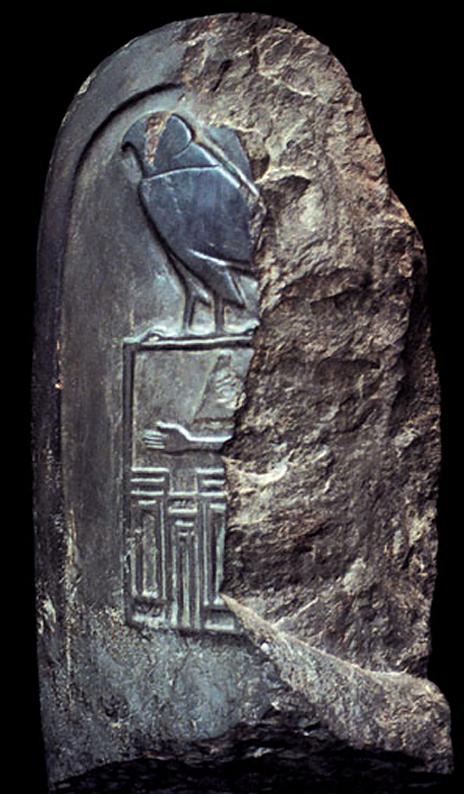
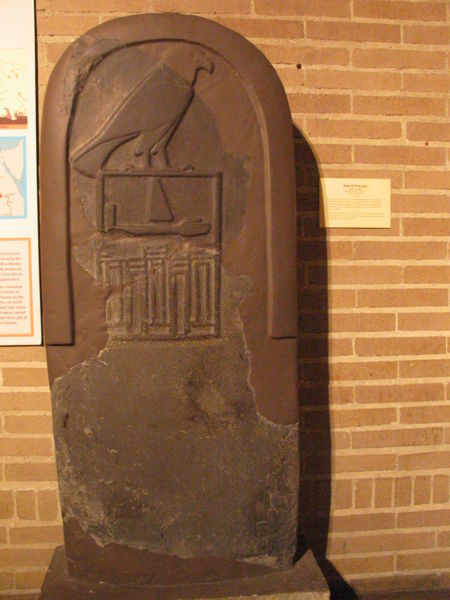
Semerkhet was the eighth of nine Dynasty 1 kings of Egypt. As you might recognize by now, Semerkhet was his serekh or Horus name as indicated by the image of Horus perched on top of the palace facade called a serekh by the ancient Egyptians. As you can see in both artifacts pictured, his serekh name was spelled in hieroglyphs as: 𓋴𓍋𓄡 where the folded cloth (𓋴) is the ‘s’ and, like Narmer, the chisel (𓍋) is the ‘mr’ and, finally, the belly and tail (𓄡) is the ‘kh.’ So all, together, it’s ‘s-mr-kh’ and, I confess, I don’t know where the ‘t’ is derived but maybe just to make it easy to pronounce.
Semerkhet era l’ottavo dei nove re della I Dinastia d’Egitto. Come ormai saprete, Semerkhet era il suo serekh o nome di Horus, come indica l’immagine di Horus appollaiato in cima alla facciata del palazzo chiamato serekh dagli antichi Egizi. Come si può vedere in entrambi i manufatti raffigurati, il suo nome serekh era scritto in geroglifici come: 𓋴𓍋𓄡 dove la stoffa ripiegata (𓋴) è la “s” e, come Narmer, lo scalpello (𓍋) è la “mr” e, infine, il ventre e la coda (𓄡) sono la “kh”. Quindi tutti insieme fanno “s-mr-kh” e, lo confesso, non so da dove derivi la “t”, ma forse solo per facilitare la pronuncia.
The stela is in the Cairo Museum standing immediately adjacent to the Stela of Merneith. Pictured second is a sherd found in the Tomb of Qa’a (Tomb U) at Umm el-Qa’ab and now in the Petrie Museum in London. On the sherd, you see a slightly different spelling where the final hieroglyph, often called a sieve (𓐍), is also a ‘kh.’
La stele si trova al Museo del Cairo, immediatamente adiacente alla Stele di Merneith. La seconda immagineè un coccio trovato nella Tomba di Qa’a (Tomba U) a Umm el-Qa’ab e ora al Petrie Museum di Londra. Sul coccio si nota una grafia leggermente diversa in cui il geroglifico finale, spesso chiamato setaccio (𓐍), è anche una “kh”.
As recorded on a fragment of the Palermo Stone, Semerkhet had an 8.5-year reign. The Palermo Stone, along with Manetho and Eusebius, record a great calamity in his first year as king but nothing appears to be known about the nature of the calamity. It is thought though that the calamity made his reign quite unsuccessful.
Come riportato su un frammento della Pietra di Palermo, Semerkhet ebbe un regno di 8,5 anni. La Pietra di Palermo, insieme a Manetone ed Eusebio, riporta una grande calamità nel suo primo anno di regno, ma nulla sembra essere noto sulla natura della calamità. Si pensa però che la calamità abbia reso il suo regno piuttosto fallimentare.
The stela has the accession number of CG 14633 in the Cairo Museum and the sherd has the accession number of UC.36756 in London’s Petrie Museum.
La stele ha il numero di accesso CG 14633 nel Museo del Cairo e il frammento ha il numero di accesso UC.36756 nel Petrie Museum di Londra.
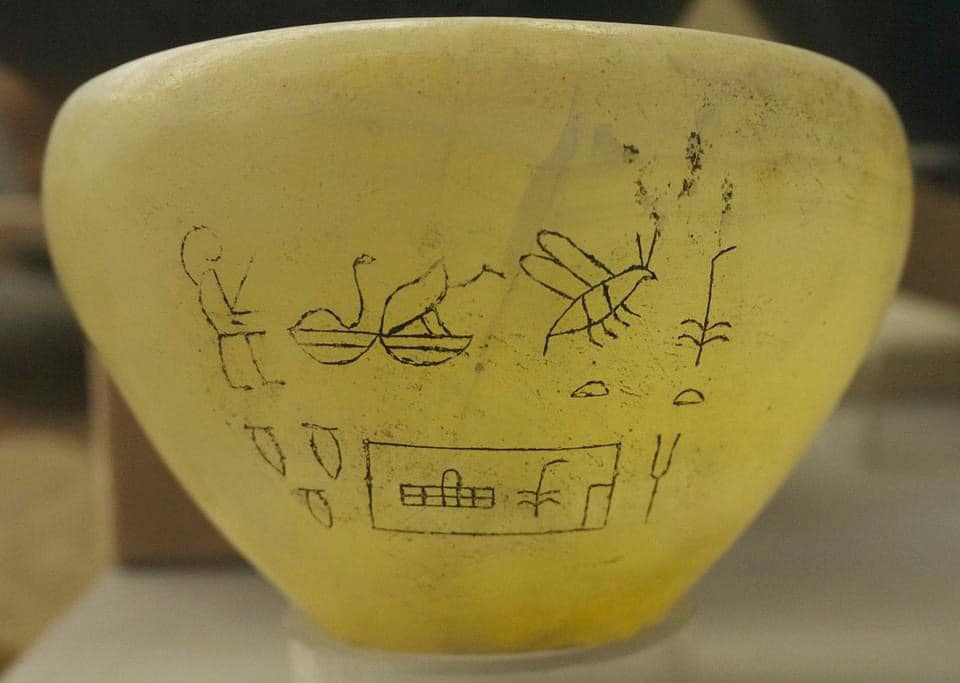
The alabaster bowl from the National Archaeological Museum near Paris shows Semerkhet’s throne name which was “Iry.” The entire inscription is translated as “The Dual king who belongs to the Two Ladies” where the Two Ladies refers to the cobra and vulture pictured in the middle or the two goddesses named Wadjet and Nekhbet (shown in reverse in the Unicode hieroglyphs as 𓅒). The photographer goes by the name of “Iry-Hor” which is the name of a predynastic king of Egypt! La coppa di alabastro del Museo Archeologico Nazionale di Parigi mostra il nome del trono di Semerkhet, che era “Iry”. L’intera iscrizione è tradotta come “Il re doppio che appartiene alle Due Signore”, dove le Due Signore si riferiscono al cobra e all’avvoltoio raffigurati al centro o alle due dee chiamate Wadjet e Nekhbet (indicate al contrario nei geroglifici Unicode come 𓅒). Il fotografo si fa chiamare “Iry-Hor” che è il nome di un sovrano predinastico egizio!





















 LA CIVILTA' EGIZIA